©Steve Middlehurst
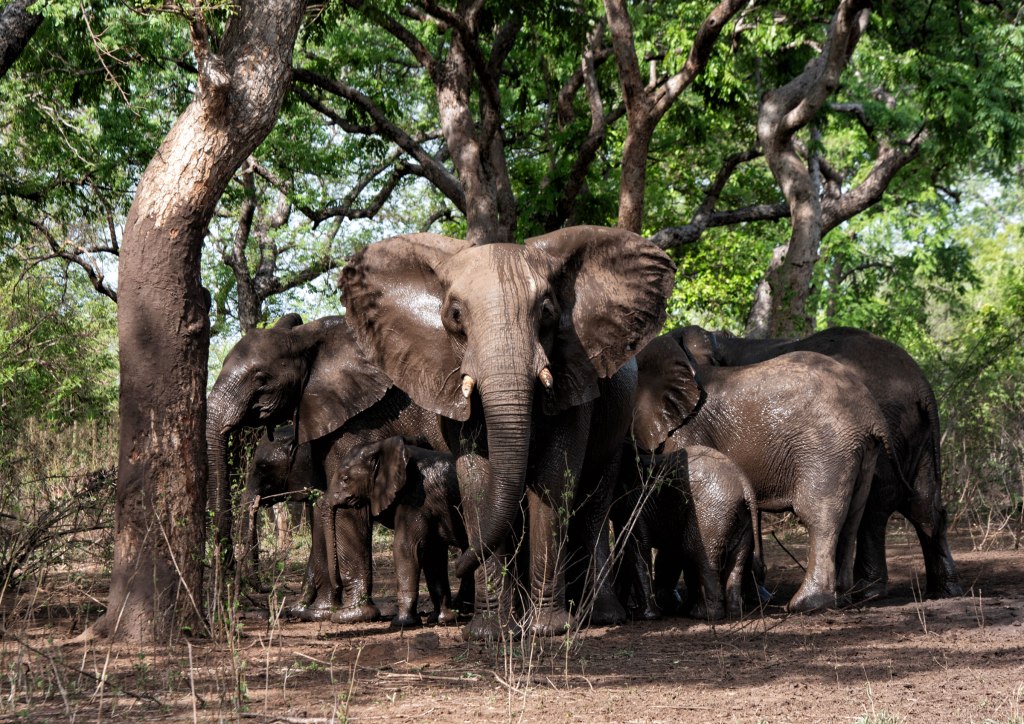
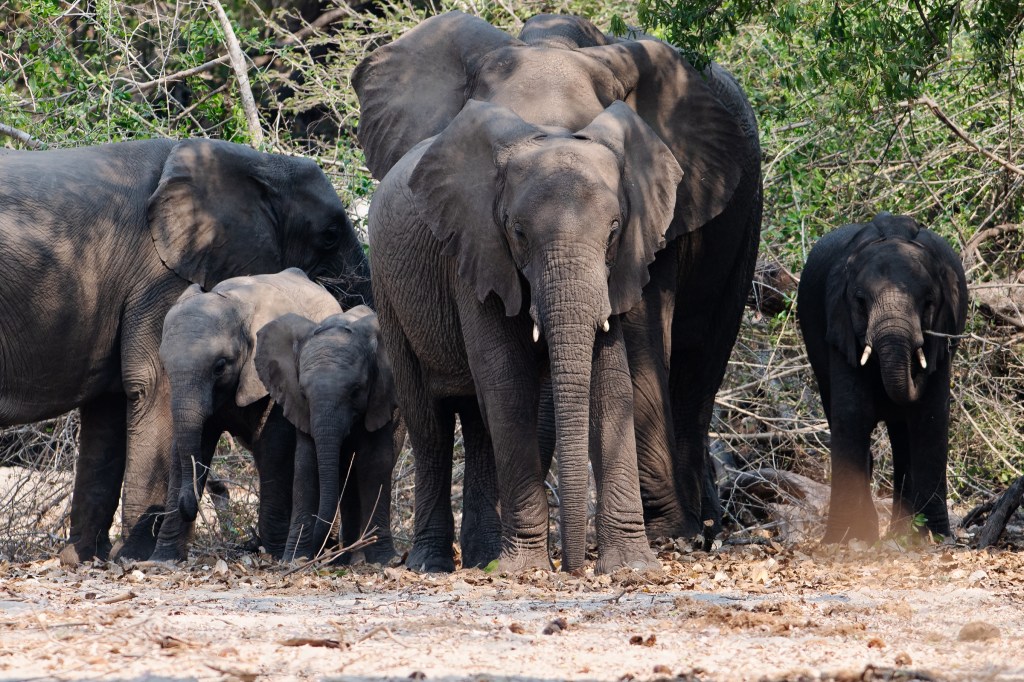
We are watching a breeding herd of elephants at a muddy wallow, babies frolicking in the mud, tumbling over each other as they spray muddy water in all directions. Their aunts are just behind and often standing over them as the little ones slide in the mud under their protective shadows. Adolescent males push and shove, practising tests of strength that will be vital as they mature and leave the herd.
Something, maybe us, spooks the matriarch, a fully grown female and like the largest sheep dog in Africa she noisily herds her sisters and cousins plus all the youngsters under a stand of nearby trees, even the teenage boys obey her command to join the tight huddle; and with everyone sheltering behind her, four tons of feisty elephant, she flaps open her ears, repeatably sniffs the air with her trunk and defiantly stares at us.
The message is crystal clear; don’t you dare come any nearer. The beautiful matriarch knows that humans are dangerous. This knowledge has been passed down through generations of matriarchs and she will teach the babies in her herd to stay clear of the two legged killers that have killed 25 million of their kind in the last 500 years in Africa.
She doesn’t know that she and the herd she leads should now be safe because they roam the fully fenced and carefully guarded Majete Wildlife Reserve with around 500 other elephants. This is despite the same reserve having no elephants left when the African Parks Foundation assumed responsibility for the reserve in 2003.
People will tell you that it was poached out and there is truth in that statement but Malawi’s elephants were very nearly extinct long before opportunistic poachers tracked down the last survivors in Majete, Kasunga and Nkhotakota.
©Steve Middlehurst
Malawi was once famous for its huge herds of elephants; this is the story of how having survived the first 250 years of the industrial scale slaughter of elephants across the continent. (see my earlier post1) how, between the end of the 18th and the beginning of the 21st centuries they were reduced to a handful of angry and potentially murderous survivors in the Liwonde National Park where they were dodging 31,000 poachers’ snares and engaged in a deadly battle with local farmers.
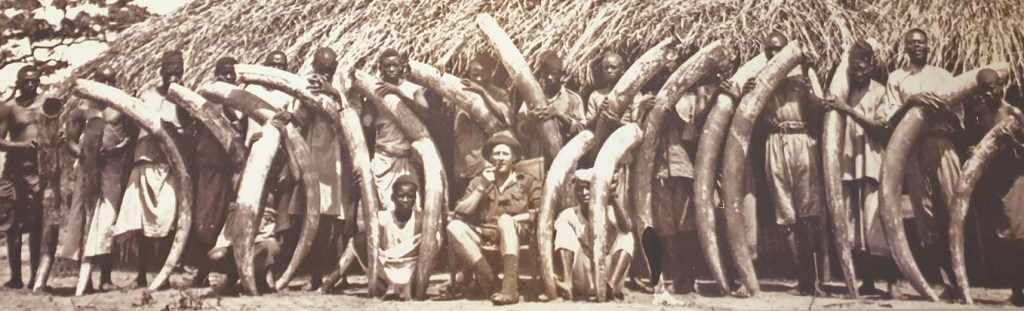
Before the Arabs penetrated central Africa ivory had no intrinsic value, elephants were hunted for meat and hides; the tusks, if collected, were used to make furniture or became part of the structure of huts or fences and cattle pens. With, perhaps, 20 million elephants roaming sub-Saharan Africa there was no shortage of tusks lying around.
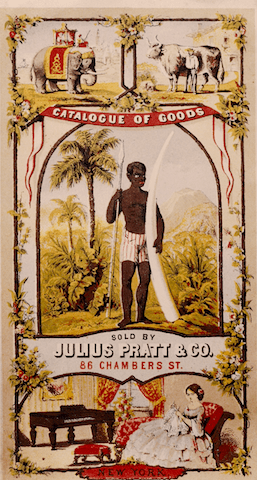
Tragically for Africans and for elephants ivory had been a symbol of wealth and power for thousands of years.
Initially in the Middle East and Asia but, in the 19th century it became nearly universally recognised as a easily processed raw material, not just for ornate carving but for billiard balls, combs, cutlery handles, ornaments, bangles, inlays in furniture and piano keys.
There had been demand for ivory since before 2000 BC but in the 19th century that demand became insatiable.
In east Africa Arabs and Swahilis quickly learnt they could buy ivory cheaply with cloth and beads and, once the elephant herds had been hunted to extinction near the coast, that vast stocks were available in the African interior. From the 10th century onwards they travelled deeper and deeper into the interior to find ivory so, on finding it, the challenge was to move it as much as 2,000 kilometres back to the east coast.
Male tusks generally weigh between 50 and 80 kgs with exceptional specimens weighing as much as 100 kg. Tsetse fly made pack animals impractical so the only way to move the tusks back to the coast was for men or women to carry them and the most economic way of acquiring these porters was to trade for slaves who, once they had carried a tusk to the coast, could also be sold. Chiefs in the interior quickly learnt to have stocks of both ivory and slaves available.
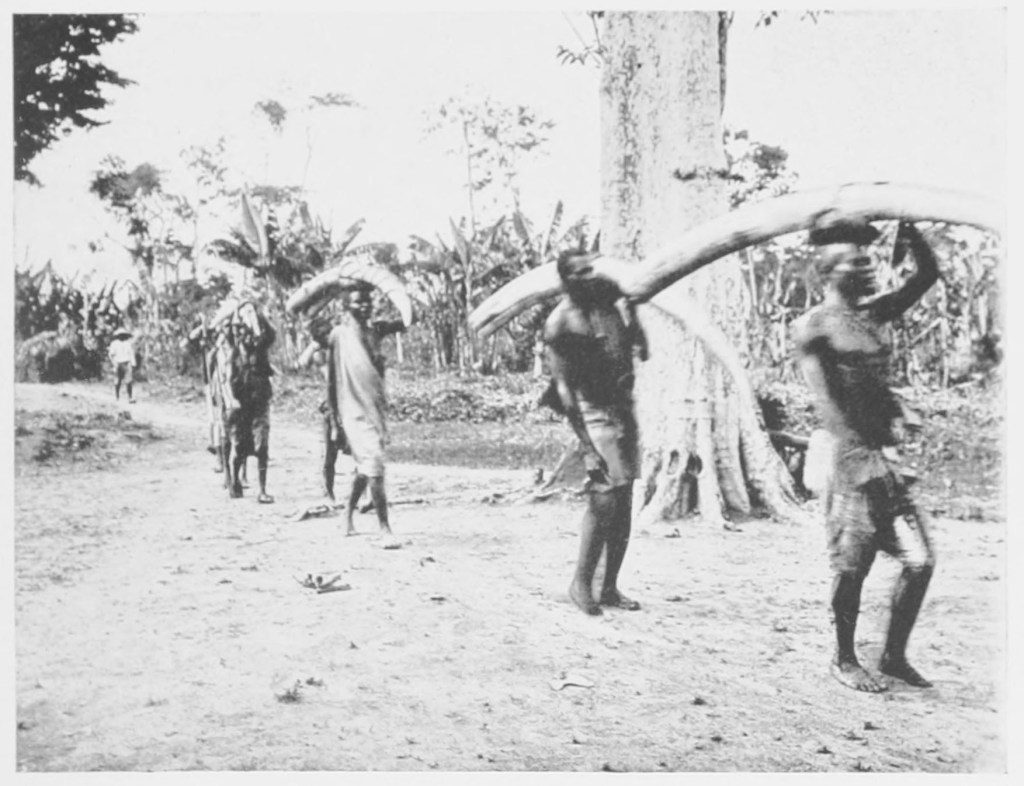
Zanzibar
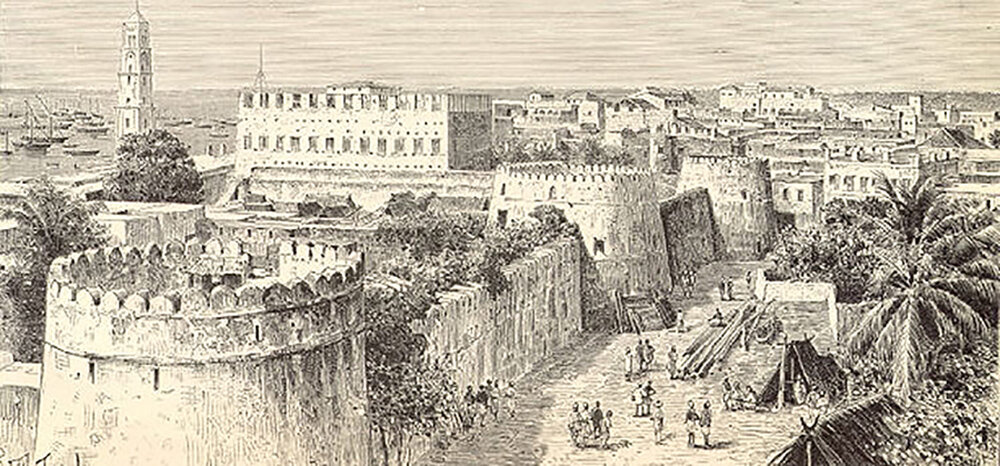
In the early 19th century the political and commercial landscape of east and central Africa saw significant changes that supercharged the ivory trade.
In 1832 an Omani, Sayyid Said, built himself a new capital at Zanzibar which quickly became the most important ivory and slave market on the African east coast. Britain and America opened consulates, traders arrived from France, Germany and Portugal vying to buy ivory and spices, especially the cloves grown on Zanzibar’s new plantations. The Arabs, with their experience of trading for ivory on the continent, wanted guns and powder in exchange.
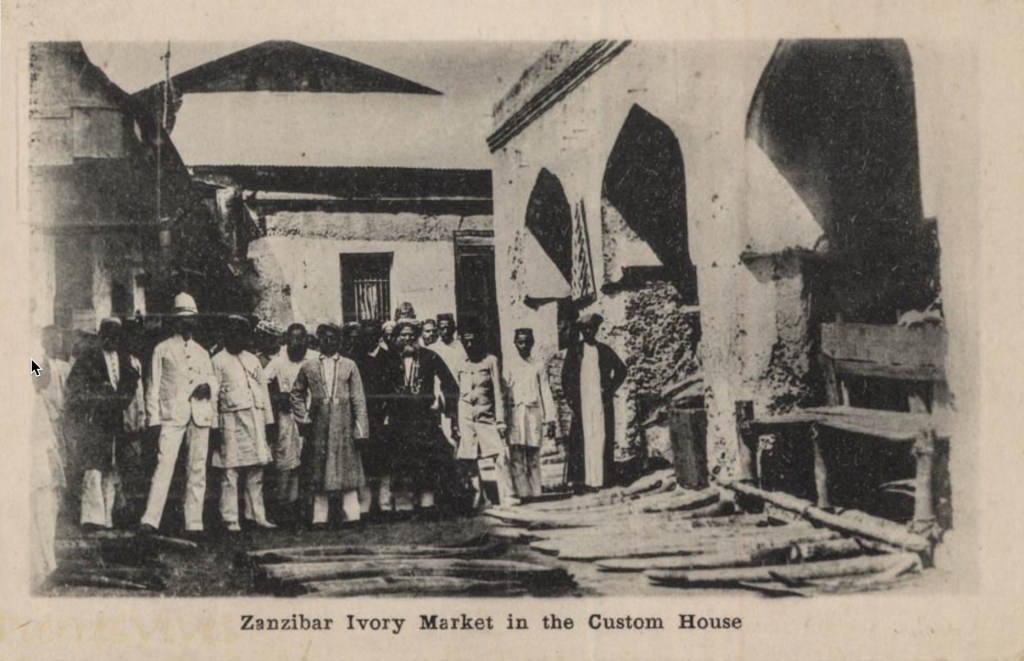
Historically the most established and largest market had been India where high-quality African ivory was much in demand by the elite and to make ivory bangles for Hindu and Muslim marriage ceremonies. India remained a significant buyer of ivory throughout the 19th century for both their domestic market and to meet British demand for ivory which was partly satisfied through Bombay. In the 1830s Britain was importing 250 tonnes of ivory every year with the cutlery industry in Sheffield alone buying 170 tonnes per annum. This was sourced from west Africa as well as east Africa via Bombay.
British, American and European factories wanted ivory to make an incredible range of products including combs, letter openers, buttons, knife handles, umbrella handles, billiard balls, door handles, furniture inlays, ladies’ fans, crucifixes, needles, crochet hooks, toothpicks, picture frames, snuff boxes, handles for razors, chess sets, cribbage pegs, buttons for corsets and piano keys.
The Americans, who had previously looked to west Africa for their ivory, now came to Zanzibar to buy the higher quality east African ivory which was better suited to their fast growing ivory cutting industry.
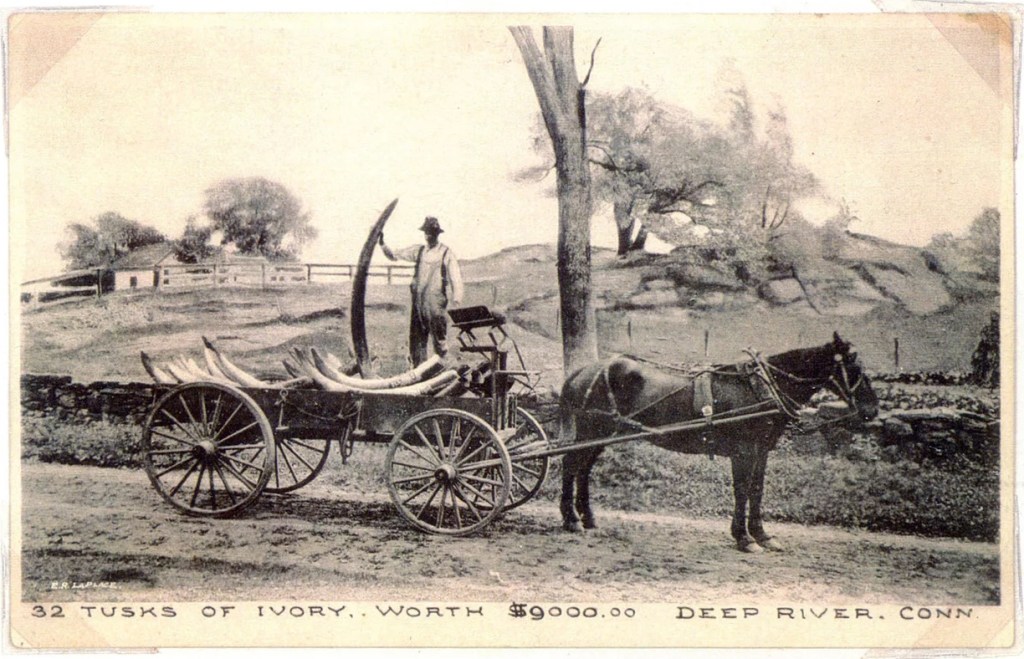
The factory at Deep River in Connecticut was employing twenty men by 1819 and by 1844 was cutting half a tonne of ivory every week.
By the middle of the century the Americans were manufacturing 10,000 pianos a year. Because the ivory on a key board is a thin veneer the manufacturers could make 45 keyboards from a single large tusk.

The amount of ivory acquired by the Americans is only half the story because the Arab and Swahili traders were, in return, acquiring modern firearms and powder. The traders were rich enough to employ private armies and were now able to arm them with state-of-the-art weapons.
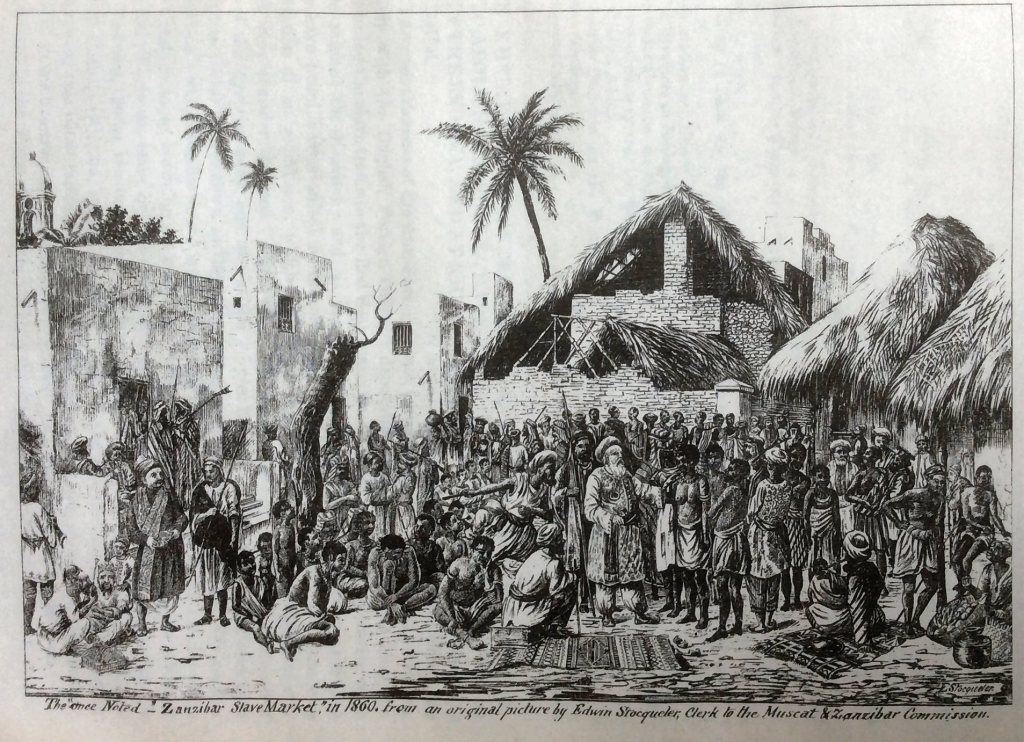
In the early decades, trade was the most efficient way of obtaining ivory but now the heavily armed Arabs and Swahilis simplified their business model and acquired ivory and slaves through force of arms. The Zanzibaris travelled inland with incredible retinues including harems, slave-porters, domestic slaves and private armies that could easily total 1,000 men and women and as they travelled they acquired more ivory and needed more slaves to carry it so the retinue grew and grew.
They arrived at villages deep in the interior and demanded that tusks and slaves were handed over. Where they met resistance villages were destroyed, crops and granaries burned and whole populations murdered or taken as slaves.
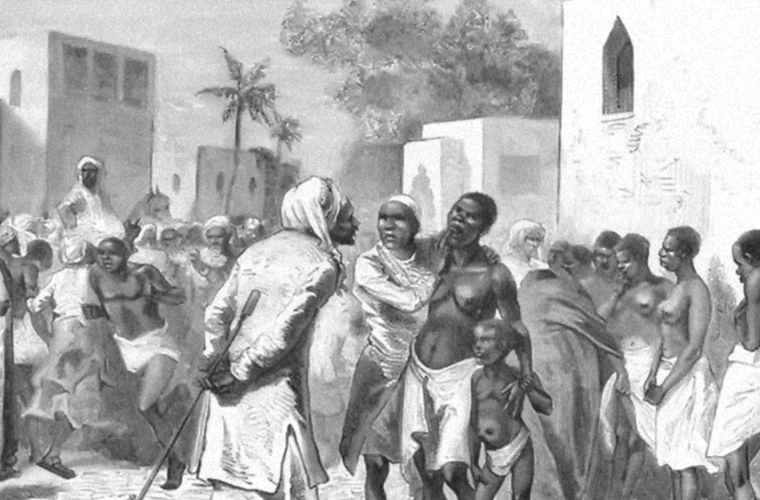
E.D. Moore, in his seminal work Ivory the Scourge of Africa describes this dark era:
“…..the profits jumped to dazzling heights and ivory raiding became Big Business. Soon the interior swarmed with Arab pillagers. Caravans, expeditions, even small armies of them, armed with muzzle-loaders and financed in Zanzibar by Arab and Indian traders, stole, burned, murdered, and enslaved through all of Central Africa.”
Moore was the east African agent for Arnold, Cheney & Co., a New York Ivory importer. He is believed to been the single largest buyer of ivory in Africa during his time there at the end of the 19th and beginning of the 20th centuries. Over time he recognised the inextricable link between ivory and slavery and became repulsed by the trade that had made him rich.

By the end of the 19th century 75% of ivory sales worldwide was coming through Zanzibar which was exporting 200 tonnes of ivory and 25,000 slaves every year. Zanzibar controlled trade across a huge area from Uganda in the north to the Congo in the west and the Zambesi River in the south. Its imports were more sinister, in 1859 alone the Zanzibaris imported 22,780 muskets and 12,000 barrels of gunpowder.
Into the Interior
By the early 19th century the vast herds of elephants that had roamed across the coastal regions of eastern Africa were largely gone. Consequently the traders pushed deeper and deeper into the continent in their search for ivory. The congo basin was still elephant rich country and old ivory was still being used as door frames and benches in areas where ivory continued to have no value and the indigenous people had no modern weapons.
Copyright National Library of Scotland.
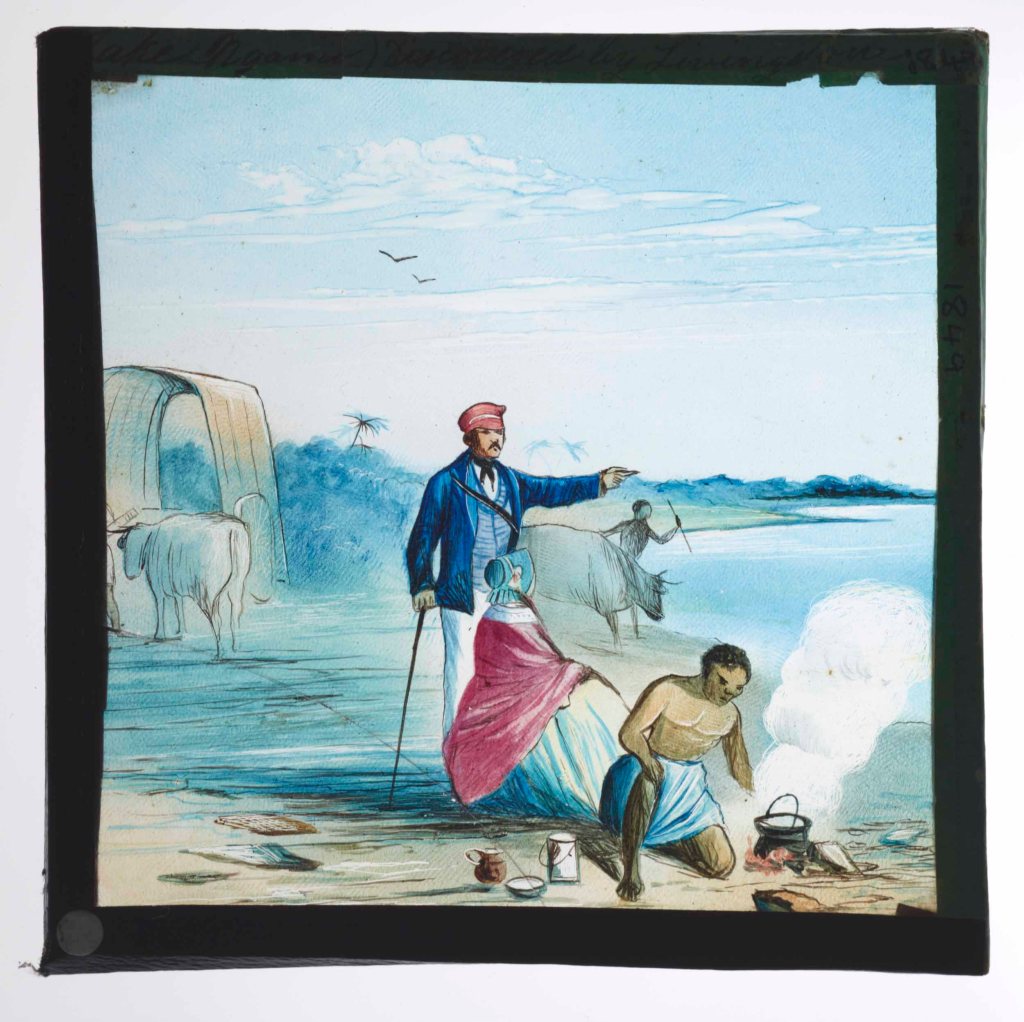
In 1849 David Livingstone travelled to Lake Ngami in northwestern Botswana where he had heard:
“…. flaming accounts of the quantities of ivory to be found there (cattle-pens made of elephants’ tusks of enormous size, etc.) …… A trader, who accompanied us, was then purchasing ivory at a rate of ten good large tusks for a musket worth thirteen shillings.”
This was easy pickings for the brutal traders.
Much later Livingstone was to meet and travel with the most famous of these men.
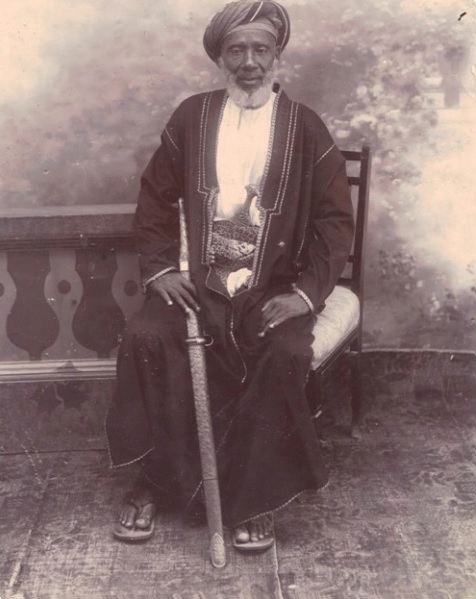
Hamed Bin Muhammed bin Duma bin Raja effectively ruled the Congo for twenty years as he stripped it of huge stocks of old ivory, hunted the abundant elephants and enslaved thousands of men and women.
He called himself Tipo Tipo, the gatherer of wealth, and became known as Tippu Tip.
As a sixteen year old he had travelled with his father to the area to the northeast of Lake Malawi to trade for ivory and slaves which they sold in Zanzibar. Their next trip went deeper into the interior to Ujiji on Lake Tanganyika where Tippu Tip stayed while his father went back to Tabora. This enterprising teenager began making his own expeditions beyond lake Tanganyika and over the course of the second half of the 19th century Tippu Tip became the richest and most influential Zambari trader and the de facto ruler of much of the Congo Basin.
As he became established Tippu Tip traveled with what can only be described as an army of up to 4,000 men and he used this manpower and the fact that the indigenous people had no previous knowledge of guns to steal stocks of ivory and enslave whole villages. At Nsama in present day northwest Zambia, he took 30 tons of ivory and at Katanga, in the Congo Basin, he stole 12 tons of copper and in both cases enslaved the local population to carry his loot. Increasingly neither ivory nor slaves were being obtained by trade but by pillage accompanied by the slaughter, infanticide and rape of indigenous people.
In 1882 Tippu Tip arrived back in Zanzibar with a vast hoard of ivory that he had accumulated over many years in the Congo. He lobbied the Sultan arguing that, with the Sultan’s backing, he could create a Zanzibari colony in the interior before the Europeans got there. The Sultan could see the writing on the wall and knew that his hold on Zanzibar itself was tenuous.
In the 1890s it was said that Tippu Tip owned 10,000 slaves working on his plantations in Zanzibar. He retired to Stone Town and died there in 1905.
The Storm Rises
Perhaps Livingstone’s famous Lake of Stars that runs for nearly 600 kilometres down Malawi’s eastern flank is part of the reason that this region seemed to have escaped the worst of the initial slaughter of elephants. Perhaps Arab, Swahili and Yao traders leaving the coast of what is now Mozambique and Tanzania skirted to the north of the lake or used the Zambezi River in the south to travel inland and not ventured through the elephant rich lands on the western side of the lake, lands that stretched to the Luangwa Valley in present day Zambia.
Whatever the reason, towards the end of the 18th century most of the land that is now Malawi had not suffered from intensive elephant hunting or the slavery that inevitably followed on its heals.
The Nkhamanga Plain and the Henga Valley south of the Nyika Plateau were still heavily populated by elephants with one source suggesting that, in the late 18th century, elephants still outnumbered people in this area. Just south from there, in central Malawi the extensive area between the western shore of Lake Malawi to beyond the Luangwa River in modern day Zambia was described as “teeming with elephants”.
We know from Livingstone that 800 strong elephant herds were still roaming the floodplain of the Shire River at Elephant Marsh in 1859 and others tell of Liwonde, just south of the lake, being rich in elephants. So, at the beginning of the 19th century, the area from Nyika in the north to Elephant Marsh in the south and west to the Luangwa Valley might still have been the old Africa, the land of plenty that preceded the Arabs and the Europeans.
There was elephant hunting taking place around Karonga at the northern end of the late which was settled by the Ngonde people around the middle of the 15th century. Their oral histories say they arrived from the east to displace Simbobwe, an elephant hunter, possibly a hunter-gather, who possessed large stocks of ivory.
If indigenous people at the northern end of Lake Malawi possessed large stocks of ivory adjacent to an ancient coast-to-interior Swahili and/or Yao trade route probably means that ivory trading was long established in this area but without firearms it is doubtful that the number of elephants being killed would have significant impacted the overall “Malawian” population.
The First Traders
In 1780, a small group of traders, “people dressed like Arabs”, crossed the lake in a dhow landing at Chilumba towards the north end of the western shore.
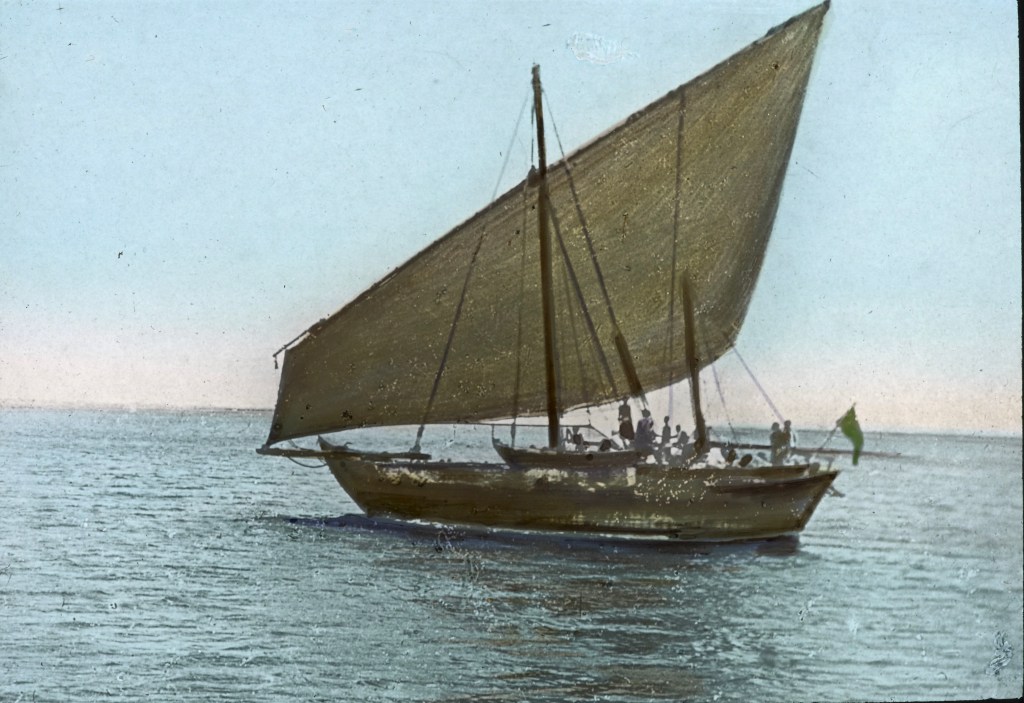
These people became known as Balowoka (which means those who crossed over) and they definitely knew the value of ivory. They headed for the Nkhamanga Plain, having no doubt learnt that this was an area where large numbers of elephant still roamed.
The ça had hoes, cloth, beads and conus shells to trade and they used some of their stock as gifts for village and clan leaders; their leader, Kalalala, married into the most influential clans and despatched his most senior followers to set up trading posts. Kalalala was first and foremost a trader and over time he and his followers took control of all ivory trading between the Luangawa Valley and the Lake without interfering with the indigenous culture or attempting to impose a centralised government.
In the last decades of the 18th century ivory trading had seemingly crept into Malawi through the back door. The Ngonde around Karonga in the north, were trading with the coastal Swahilis originally by land and later across the lake; the Balowoka were exporting ivory back to Kilwa from the centre; and the Mang’anja in the south were trading ivory with the Portuguese at Tete and Sena on the Zambezi.
The Yao Invasion
The Yao, who for 100 years, had been taking caravans into the interior and returning to Kilwa with slaves laden with Ivory, were becoming less useful to the Swahilis and the Omani Arabs who were starting to cut out the middle man and manage their own caravans. This may have been the incentive for the Yao to migrate from Mozambique and begin to settle in the Mangochi area at the southern tip of Lake Malawi or it might have been a drought in northern Mozambique.
Hardened by years of slave trading for the Arabs the Yao were more than a match for the indigenous Nyanja and during the 1830s and 1840s the Yao moved into the Shire Valley from Mangochi and south through Liwonde, Zomba and the area around present day Blantyre in the Shire Highlands.
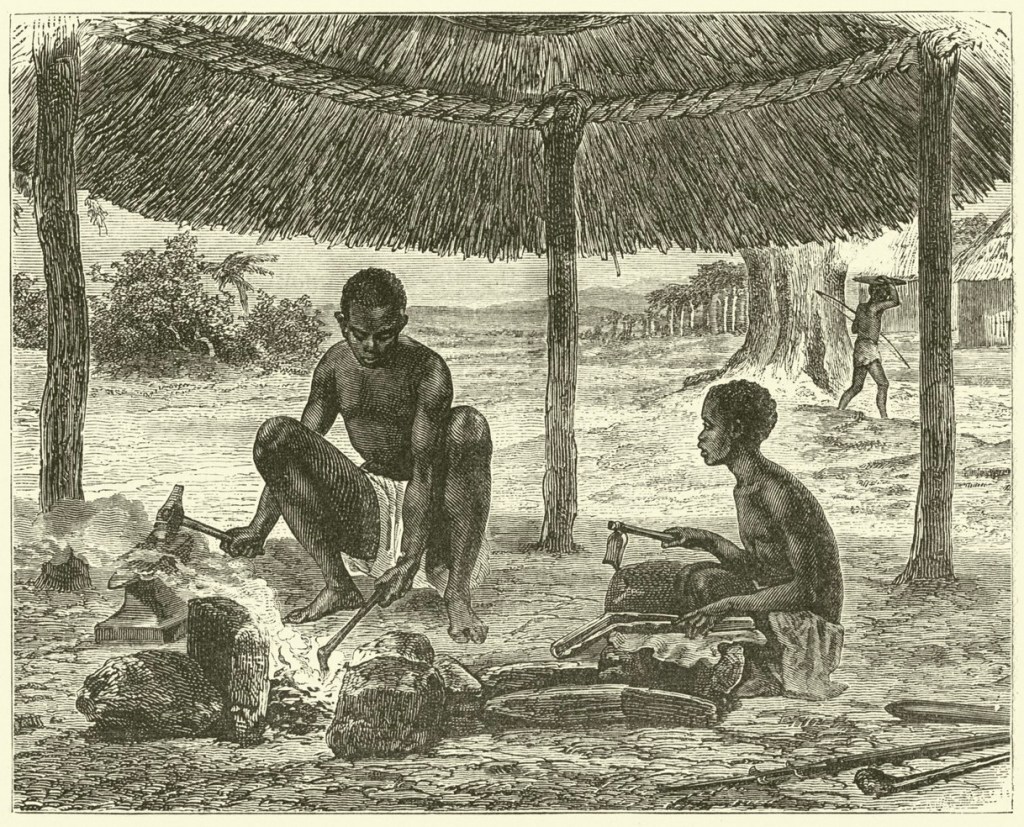
The Yao were commercially astute as they had been established traders on the east coast since at least the 1730s when they were trading with Malawi people, the Portuguese and the Swahili-Arabs at Kilwa. They were also accomplished metalworkers making hoes and knives as trade goods. They created a triangle of trade taking ivory, animal skins, tobacco and their metalwork to the coast, bringing back calico and beads which they traded with the Malawians for salt and cattle.
However, by the 1860s the Yao had drained their new territory of ivory and were using the Shire Valley as a base from where they could trade with the Bisa people west of the Luangwa River and the Arabs at Nhkotakota; their main business had become slaves which they purchased with calico. Livingstone reported they paid 4 yards of calico for a man, 3 yards for a woman and 2 for a boy or girl.
The Angoni Invasion
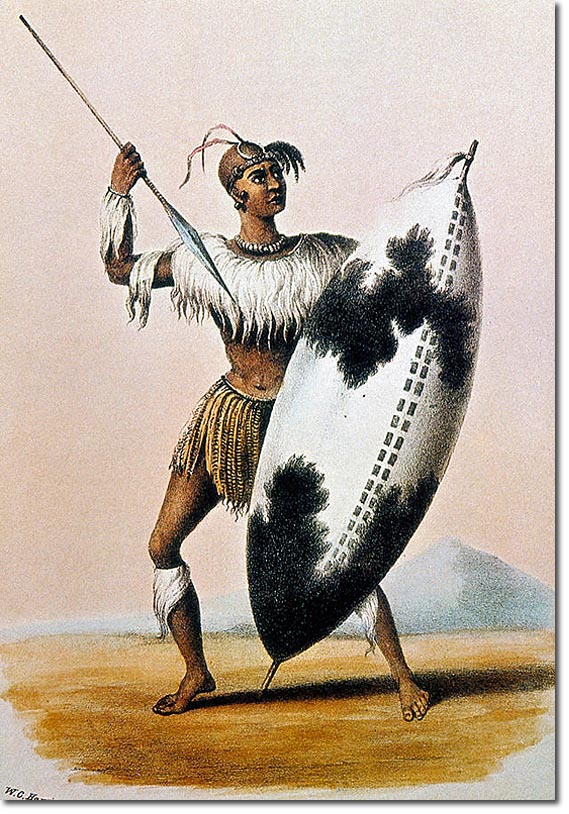
In 1818 in modern day KwaZulu-Natal far to the south of Malawi the Zulu Chief Shaka had won a great battle against Zwide of the Ndwandwe near present day Ulundi.
Zwangendaba, an Angoni Chief and one of Zwide’s defeated generals, gathered his few surviving warriors along with their women and children and headed north before Shaka caught up with him.
They looked like Zulus and carried the same weapons so, ironically, their enemy’s fearsome reputation went before them and they scythed through present day eSwatini and Zimbabwe growing in numbers as the survivors of the tribes they swept from their path joined them. For fifteen years they rampaged northwards reaching as far north as Lake Tanganyika where, in 1845, Zwangendaba died. After fighting amongst themselves to decide the succession the Angoni fragmented to some degree but a large number headed back south to the western shores of Lake Malawi.
The Angoni looted anything they could carry away, killed the older men, grotesquely tortured the older women and carried off the young men and women to be absorbed into their tribe before burning what remained of the Amaravi villages. Their invasion was so terrifying in its brutality that many Amaravi were driven south into the arms of the Yao slavers.
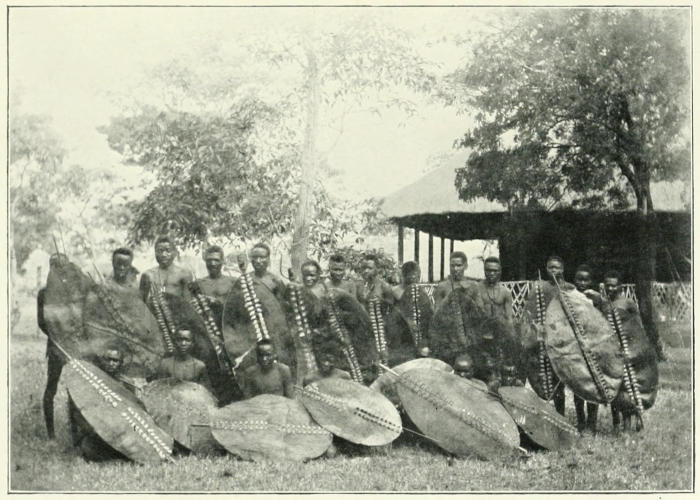
Once their initial conquest was complete they settled down to a pattern of seasonal winter raiding. A witness described huge Angoni armies, a thousand warriors strong, leaving in June to return in September laden with women, cattle, slaves and ivory.
Slave and Ivory Trading Hub
The late 18th and early 19th centuries in Malawi is a period when large and small groups of people are on the move, traders are coming into the area to set up trading posts and invading tribal groups are displacing existing populations. It is a complex picture and not strictly relevant to the story of ivory trading other than each new group came with the intent of ivory and or slave trading or recognised the opportunity after they had arrived.
Tanganyika had been a major area of operations for the Arab and Swahili traders but over the late 18th century and the early part of the 19th as traders set themselves up in Malawi it became a hub where ivory and slaves from the Luangwa Valley and beyond were traded and held before being sent onto to the coast.
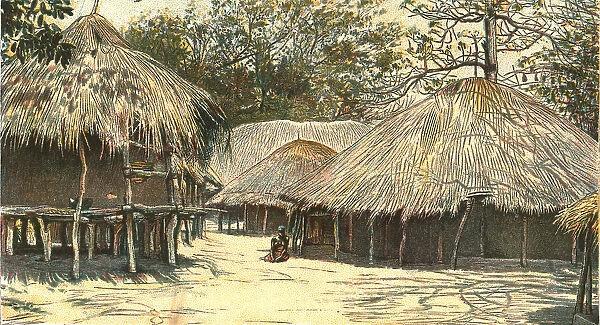
by Harry Johnson
In the 1840s Salim-bin Abdullah (Jumbe), a Zanzibari Arab, built a trading post at Nkhotakota on the western shore of Lake Malawi. Jumbe established an ivory and slave trading route across the lake and on to Kilwa. He built dhows to allow him to annually ship 20,000 slaves, in batches of 1,000, to the eastern shore and then force march them on to Kilwa, a journey of three to four months.
He traded with the tribal groups to the west, north and south of his base and despatched elephant hunters out across central Malawi and the Luangwa Valley and, as well as being a major slave trader, much of his income initially derived from ivory.

In the north, Mlozi, a Swahili, now controlled Karonga and the northern ivory and slave route passing round the top of the lake linking the Congo basin to Kilwa. Even in the last half of the 19th century, according to Bridglal Pachai this was still “good elephant country” and the hunting ground of Msakachuma Sichinga, a famous elephant hunter. Mlozi also shipped slaves and ivory across the lake from Chilumba.
In the south the Yao controlled three routes: the Mangochi route round the southern tip of the lake, then further south, the Phalombe route, between Lake Chilwa and Mount Malanje which I am guessing was mainly a slave caravan route to Ibo on the coast, the main port of departure for slaves destined for the French Reunion Island plantations. A third Yao route probably followed the River Shire south to Tete and Sena on the River Zambezi.
Dr. David Livingstone
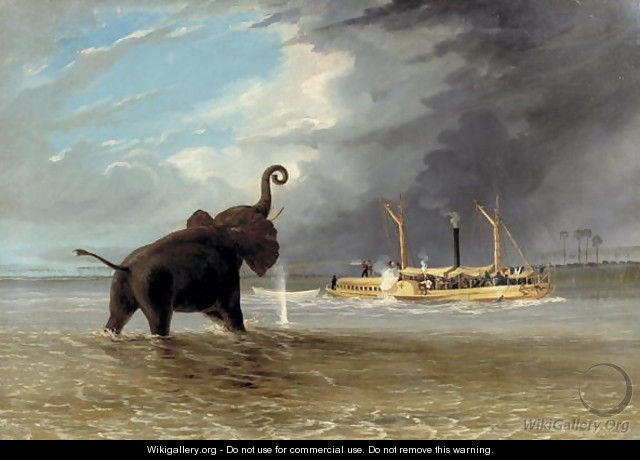
The first and most important European witness in the 19th century was, of course, David Livingstone. The objective of his expedition in 1859 was to explore the Zambezi River which he was convinced offered an easy route into central Africa.
On his way up river he stopped at Sena where he found the local mixed race merchants were sending “trusted slaves into interior to hunt for and purchase ivory” then sending the same slaves to Quillimane to sell the ivory onto merchants. What he found at Sena may not represent everyone’s view of slavery; the slaves are sent into the interior without their owners, they are provided with cloth and beads to trade for ivory and firearms to hunt elephants. Livingstone says that they enjoy these trips because villages ply them with beer if they kill an elephant and share the meat with the villagers.
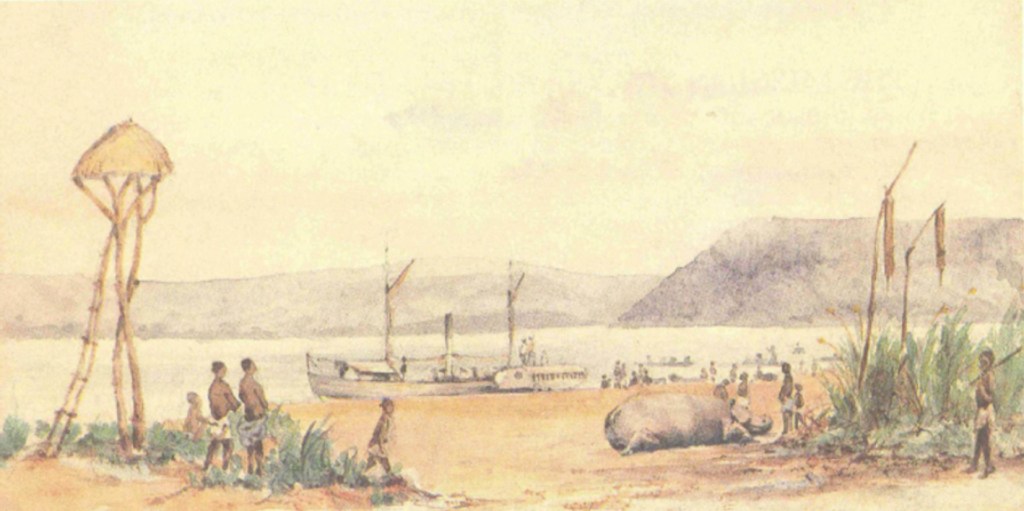
As Livingstone enters the southern Shire he famously records:
“A short way beyond the (River) Run lies the Elephant Marsh, or Nyanja Mukulu, which is frequented by vast herds of these animals. We believe we counted eight hundred elephants in sight at once …….. In passing Elephant Marsh, we saw nine large herds of elephants, they sometimes formed a line two miles long.”
Elephant Marsh seems like the exception south of Lake Malawi as he later comments that there is little ivory left “in the hills” by which he probably meant the Shire Highlands.
Soon after first seeing Lake Malawi, or Nyassa as he calls it, he camps at a village near where the Shire leaves the lake, in the vicinity of modern day Mangochi, and it is here that he sees his first slave & ivory caravan in Malawi.
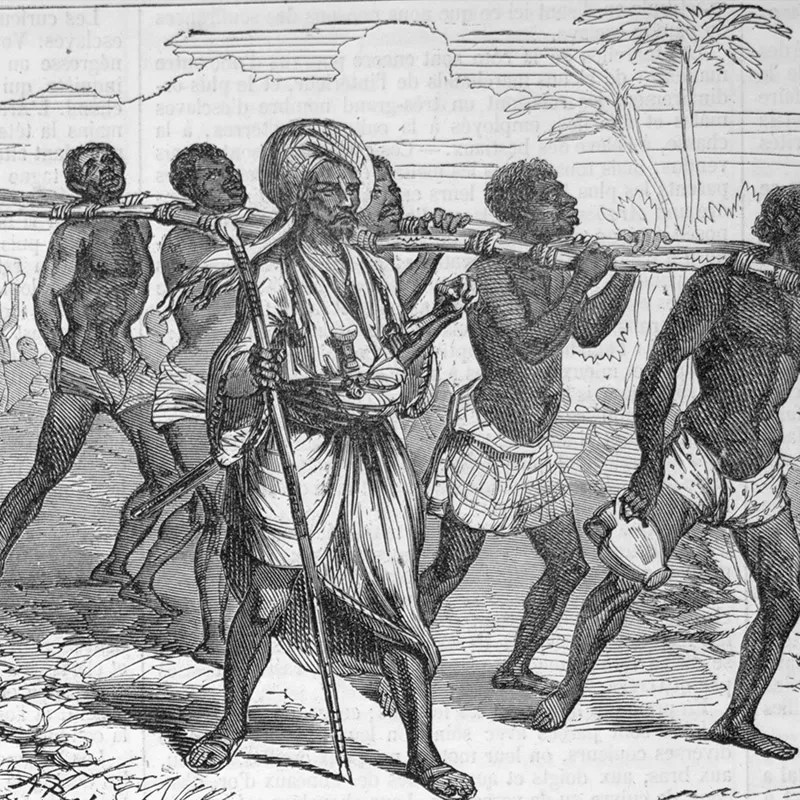
It is on its way back from Cazembe’s country (perhaps modern day Kazembe near Lake Mweru, Zambia) loaded down with “plenty” of slaves led in “slave-sticks”, ivory and malachite.
Livingstone records the caravan routes in this area; one around the southern end of the lake, one a little further south and one across the lake. He also comments that it is only the ivory that the slaves carry that make these trips profitable otherwise the length of the journeys would mean the cost of feeding the slaves would be greater than their eventual sale price. This strongly makes the same point as E.D. Moore, in that it was the demand for ivory that created the East Coast slave trade. It is therefore interesting that his suggested solution is to put a small armed steamer on the lake and to intercept the slave dhows but also to trade with the “slavers” for ivory.
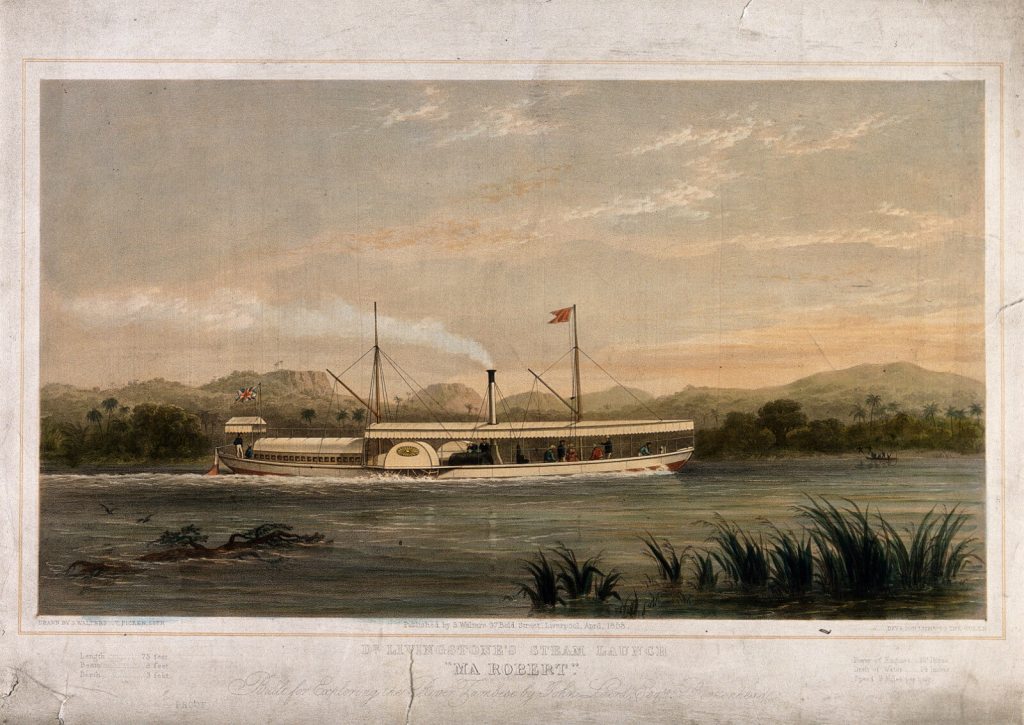
The First Missionaries
Livingstone’s message when he had returned to Britain, after first seeing Lake Malawi, had been that central Africa must be opened up to legal trade and Christianity to save it from the slave trade.
The first mission led by the newly consecrated Bishop of Central Africa, Charles Mackenzie was a disaster. In 1861 Livingstone collected them at the mouth of the Zambezi and took them to Magomero, between present day Blantyre and Zomba to establish the first mission station.
The site was in a bend of the Namadzi River and disease ridden as well as being surrounded by tribes fighting amongst themselves. An additional problem was the lack of game in the area which caused them to struggle to feed themselves. Four of the party, including the Bishop, died of blackwater fever in early 1862 and the mission was abandoned in 1864.
After leaving the missionaries John Kirk and David Livingstone’s brother Charles continued north up the lake and saw a country in chaos. The Yao were slave raiding for commercial gain but other tribes were raiding to carry off children to increase the size of their tribes. Kirk said:
“The whole country is deeply involved in the slave trade. they sell their own people and help dealers to purchase their own neighbours.”
He reported that the banks of the lake were “black with people” offering slaves and ivory to travellers and Swahili traders were buying people (and presumably ivory) and shipping them across the lake in dhows. The Yao had built stockades to hold salves ready for transport. Kirk is shocked by the change from the peaceful country that he and Livingstone saw only two years previously.

They notice whilst on Lake Malawi that the shores were well populated with villages but also with elephants that he says are surprisingly tame and often close to the villages. They also witnesses an unusual aspect of ivory trading noticing that some of the traders are capturing young men and women whom they send into the interior where the women are exchanged for ivory which is then carried back by the young men.
At Kasungu, which is inland from Jombe’s base at Nkhotakota, he meets a chief who tells him that the area to the northwest is well watered and “abounding in elephants” where the chief buys ivory cheap and sells in on to the caravans passing between the Luangwa Valley and Nkhotokota.
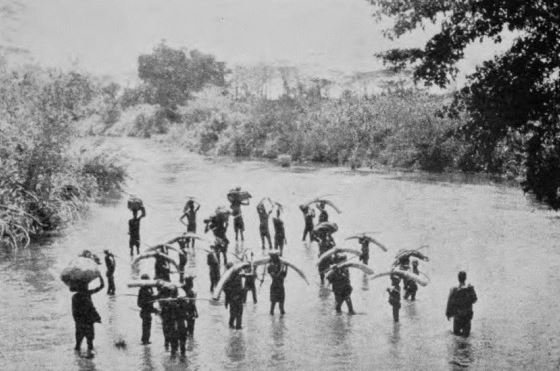
Later while on the Zambesi near its confluence with the Luangwa River David Livingstone meets Sequasha, a Portuguese elephant hunter, who tells him that he is returning from a trip where he has killed 210 elephants; Livingstone comments that this number is believable given the number of elephants he has seen.
In the early 1960s even though he sees caravans loaded with “plenty of Ivory” and meets elephant hunters and ivory traders, Livingstone sees or hears of large numbers of elephants at Elephant Marsh, in the Luangwa Valley, on the shore of Lake Malawi, and in the area that is now Kasungu National Park.
Edward Young
In 1866 Livingstone headed back into central Africa again and famously disappeared. Reports reached London that he had been killed “a little to the west of the north end of Lake Nyasa”; however, whilst no-one had heard from Livingstone for some time, the news of his demise was not universally believed and a search and rescue mission was quickly funded and manned. This expedition was to be led by Edward Young who had been with Livingstone when he travelled up the Shire to Lake Malawi in 1865. Young was accompanied by Henry Faulkner, a hunter or as he called himself a “sportsman”. In Young’s words they were to “make a rapid dash into the lake regions.”
Young’s party on board the steel boat The Search entered the Shire in 1867 and were immediately amazed by the profession of wildlife.
“It is in such spots as these I am describing that animal life abounds beyond conception …… Elephants, rhinoceros and buffalo are very plentiful, whilst waterbuck, zebra, hartebeest, and numerous other animals also stray about in mixed herds. …….. It is the lion’s roar before the dawn , the hippopotamus’ trumpet vibra-ting over the glassy expanse of water as day breaks , and the shriek , as from another world , of the fish – hawk – these sounds are allowable and allowed in the Shiré marshes.”
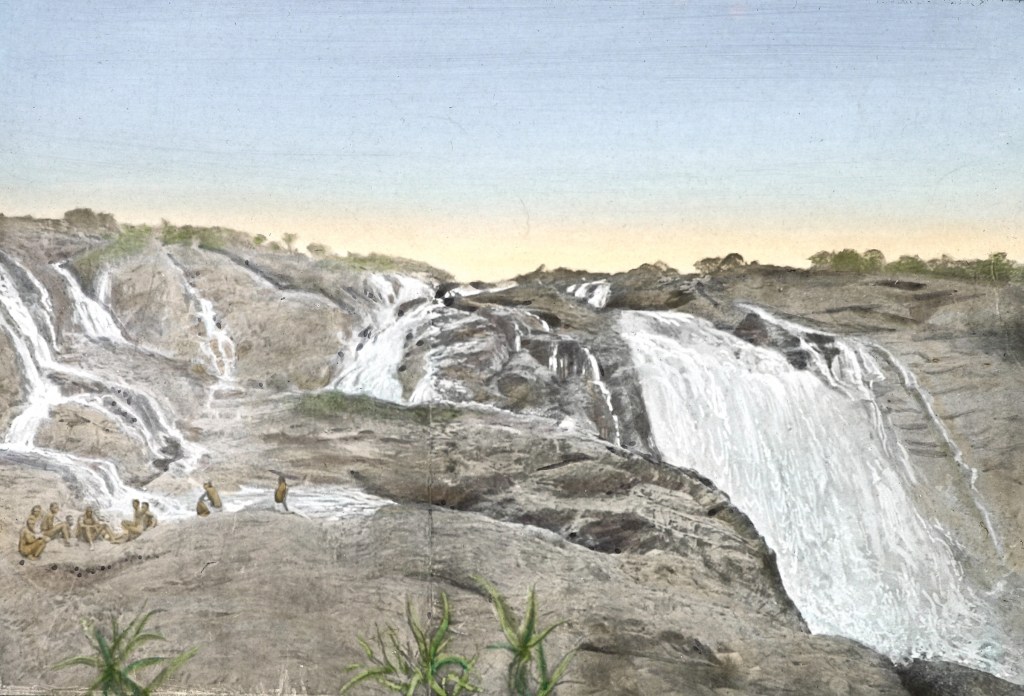
from the “Laws of Livingstonia” 1875 Church of Scotland lantern slides
Young is very likeable, he is attuned to Africa and his descriptions of the landscape and wildlife are delightful. At the head of the Murchison Cataracts which are now know has the Kapachira Falls near to the Majete Wildlife Reserve he remarks that:
“The tracks of large game , elephants , buffaloes , and deer were most abundant on this stage of the journey.”
Like Livingstone before him Young believes that a British steamer permanently based at Lake Malawi would quickly put an end to the slave trade in the region but par of his solution was to have established an ivory market at the southern end of the lake. We can now understand the ghastliness of the ivory-slave trade and it seems unlikely that promoting a legal ivory market would have stopped the use of enslaved people to transport the tusks. The value of the slaves lay in their ability to carry tusks and the Swahili, Arab and Yeo were all willing to accept desperately high mortality rates to move their cargoes; one suspects that the traders would have continued to use slaves to move the profitable cargo even if they could not be sold.
He is horrified by the condition of the people living near the lake who are so oppressed by the slavers that they hide in the highlands and come down to the lake for food as they can no longer grow their traditional crops. Young describes the slave trade here as the largest the world has ever known:
….. the slaver knows he can at all times fill his forked sticks and his chains along the banks of Lake Nyassa.”
He recognises that slavery is being driven by the demand for ivory and notices that calico, the cloth that for many years had been the currency of the ivory trade was remarkable for its absence and that the traders now realised that it was more economical to capture women and children from the Shire Highlands and take them into the interior to exchange for ivory.
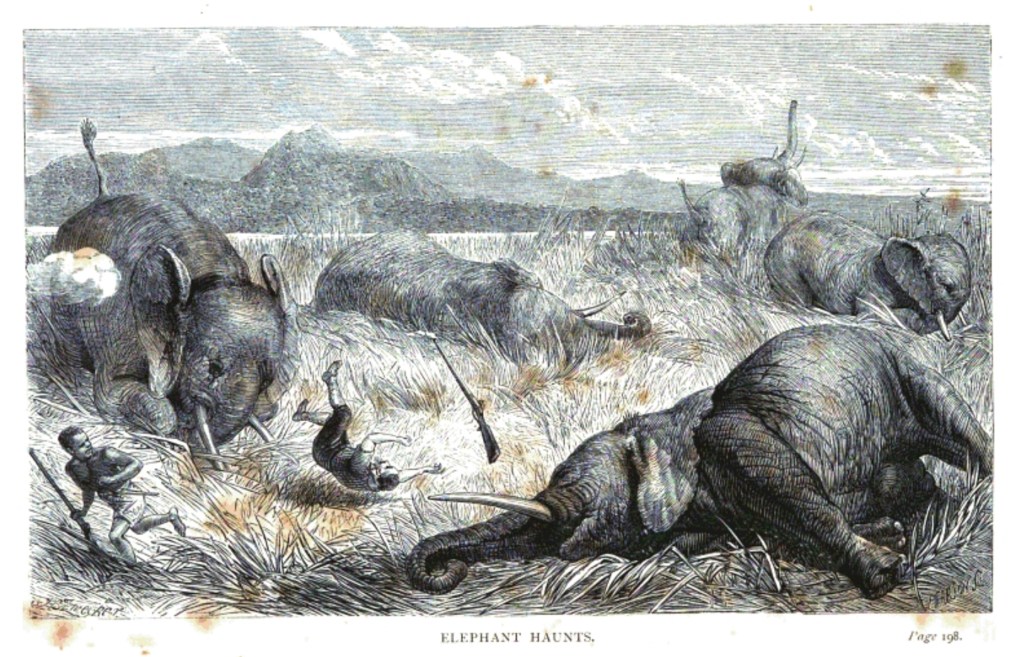
Accompanying Young is Henry Faulkner, the first of his kind to arrive in, Malawi, a “sportsman” not a hunter; an important distinction for a Victorian gentleman. In Victorian Britain a sportsman, did not need to hunt for food, even though they would eat the deer or pheasant they shot; wanted a fair contest between the animal and the hunter, even though one had a gun and one had not; and was showing his physical and moral character by engaging in the hunt.
In Britain there were no animals left that could fight back but Africa offered the sportsman the opportunity to kill large animals that could kill him so a lion’s skin on the floor of his study was physical proof of everything from his social standing to his virility.
He is mortified when thirty elephants cross a forest opening without him getting off a shot but he consoles himself with the fact that “game is plentiful”. Day after day as they sail up the Shire and onto the lake he sees elephants or their spoor; at times they are in small herds and as often as not he hunts them. When he makes a kill he overcomes any distain he might have for tradesmen and takes the tusks, the meat is shared with his guides and any local villages; and so it goes on for day after day.
When Faulkner returned to Britain he published Elephant Haunts, a hunter’s guide to the Shire Valley advertising the abundance of game, describing the ideal guns, ammunition and methodology for killing elephants and other large game.
The Second Mission and Edward Young’s Return
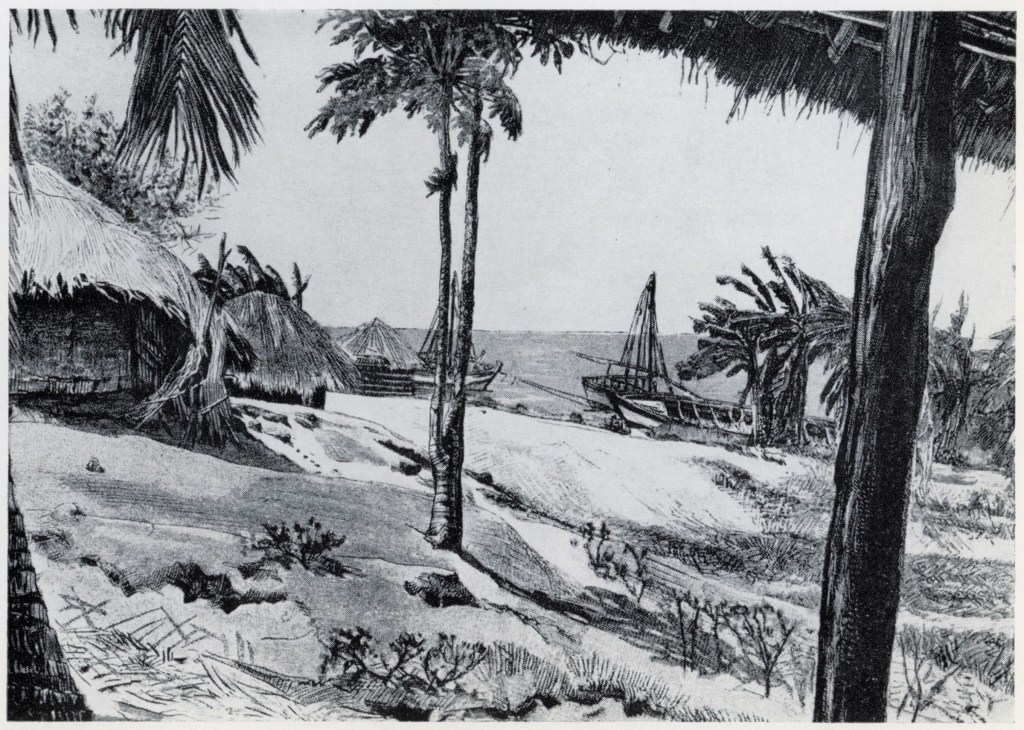
In October of 1875 Edward Young sailed the steamship Ilala into Lake Nyasa having returned to Malawi to lead the Scottish Free Church’s Livingstonia Mission. They sailed north looking for suitable location and settled on Cape Maclear as their first site.
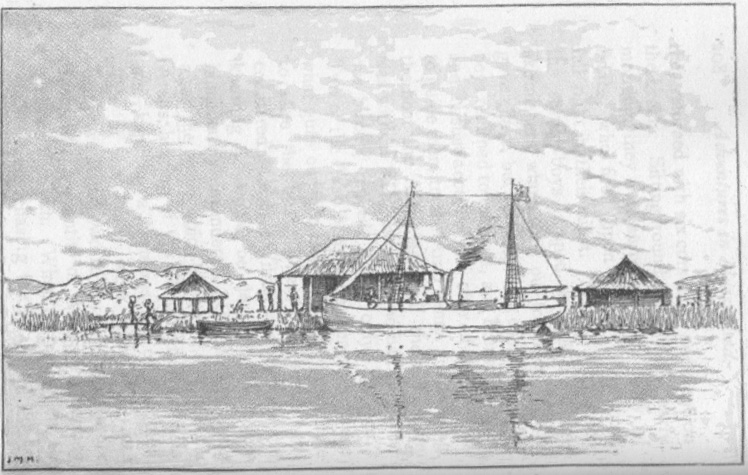
He later circumnavigated the lake in the first steamship to sail there, the Ilala, which he and the missionaries had brought with them in kit-form from Scotland.
He noted, amongst his lessons learned, that “Big game abounded everywhere” and an “extensive slave trade was being carried on across the lake, particularly from Kotakota to Losefa.” He recorded that one of the slavers he saw at Losefa let slip that they were transporting 10,000 slaves a year via this route. He still considered ivory as being the main produce of the region which suggests that elephants were still common in the vicinity of the lake.
The African Lakes Company
The missionaries were closely followed by the Livingstonia Central Africa Company in 1877 that was renamed the African Lakes Company (ALC) in 1878 and which was initially created to service the missions but quickly became a trading enterprise. It was the brainchild of John and Fred Moir who described their mission as introducing “legitimate trade” to suppress the slave trade.

The Moirs were soon struggling to meet their transport obligations and focussed on ivory trading rather than developing agriculture. They ironically became a magnet for the Swahili and Arab traders operating north of Malawi in present day Tanganyika.
The traders returned to what E.D. Moore calls “the lovely and fertile region along the western banks of Lake Nyasa” where they had raided in the middle of the 19th century. In the intervening forty years they had been more interested in the ivory and slaves in the Congo Basin offered but a trading post this far inland was just the thing to draw them back to the Lake.
Moore tells us they arrived from Tanganyika in force and, leaving their slaves, outside the ALC’s compounds, they entered and traded their ivory with the British who were eager to trade. The Arabs had huge stocks of ivory and were constantly plundering more from west of Lake Tanganyika so caravan after caravan arrived on the ALC’s doorstep; they came with so much ivory the ALC ran out of the means to pay so their little steamer made trip after trip down and back up the lake collecting calico and other trade goods.
In the meantime the heavily armed Arabs camped with their slaves, often for many months, outside the ALC trading posts. However, they were not idle and started using these encampments as a base from which they could raid throughout northern and central Malawi. According to Fredrick Moir the northern end of the lake around Unyakyusa on the borders of what is now Tanzania and Malawi was:
“Infested with elephants which at that time were a plague on the country”
The local people, the Nyakyusa, gave Moir and his fellow Europeans permission to shoot elephants here and the ALC employed local hunters to help harvest the abundant ivory.
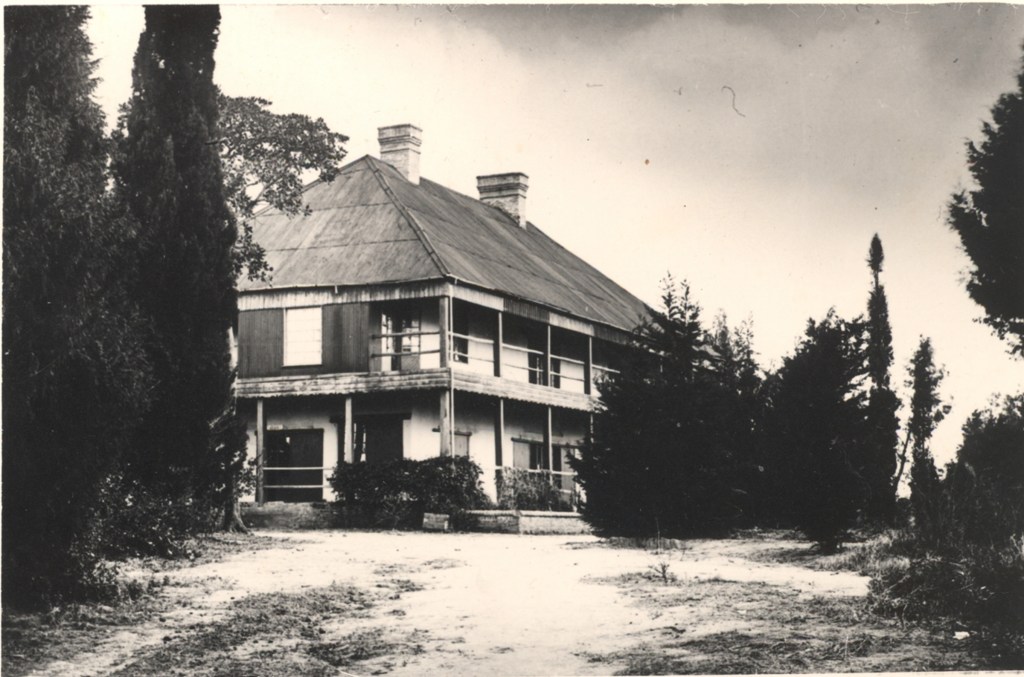
In the Shire Valley to the south the Kololo or Makolo had become the primary elephant hunters and ivory traders between the Murchinson Cataracts and the southern end of Elephant Marsh but having fallen out with their neighbours to the south they were cut off from the Zambezi and therefore from the coast. They began to trade their ivory to the ALC to the benefit of both parties.
In 1883, a young man by the name of Henry Drummond, was sent by the Glasgow-based Chairman of the ALC, to carryout a “scientific examination of the country covered by the Company’s operation”.
He travelled around the country observing and making notes and on his return to Scotland he wrote a book, Tropical Africa.
After leaving the Zambezi and entering the Shire he begins to see elephants and other large game on the banks of the river and offers this delightful description:
“Here he is as nimble as a kitten, and you see how perfectly this moving mountain is adapted to its habitats – how such a ponderous monster, indeed, is as natural to these colossal grasses as a rabbit to an English Park ……. We were extremely fortunate in seeing elephants at all at this stage, and I question whether there is any other part of Africa where these animals may be observed leisurely and in safety within six weeks of London.”
He is the earliest writer that I have found who expresses the idea that the elephant will soon be extinct, although he suggests that it is common knowledge in late 1880s:
The question of the disappearance of the elephant here and throughout Africa is, as every one knows, only one of a few years ……. But the causes are not difficult to understand. The African elephant has never been successfully tamed ………. As a source of ivory on the other hand, he has been but too great a success.”
And he gives us another insight into the role of ivory in the economy of east and central Africa:
“Ivory introduces into the country at present an abnormal state of things. Upon this one article is set so enormous a premium that none other among African products secures the slightest general attention; nor will almost anyone in the interior condescend to touch the normal wealth, or develop the legitimate industries of the country, so long as a tusk remains. …… The only thing of value the interior of Africa produces at present in any quantity is ivory. There is still, undoubtedly, a supply of this precious material in the country – a supply which may last yet for fifteen or twenty years.”
Depressingly his view was that Africa would be far better off once the last elephant had been shot as this was the only way to stop the slave trade and for a difference economic base to be developed.
Free-For-All
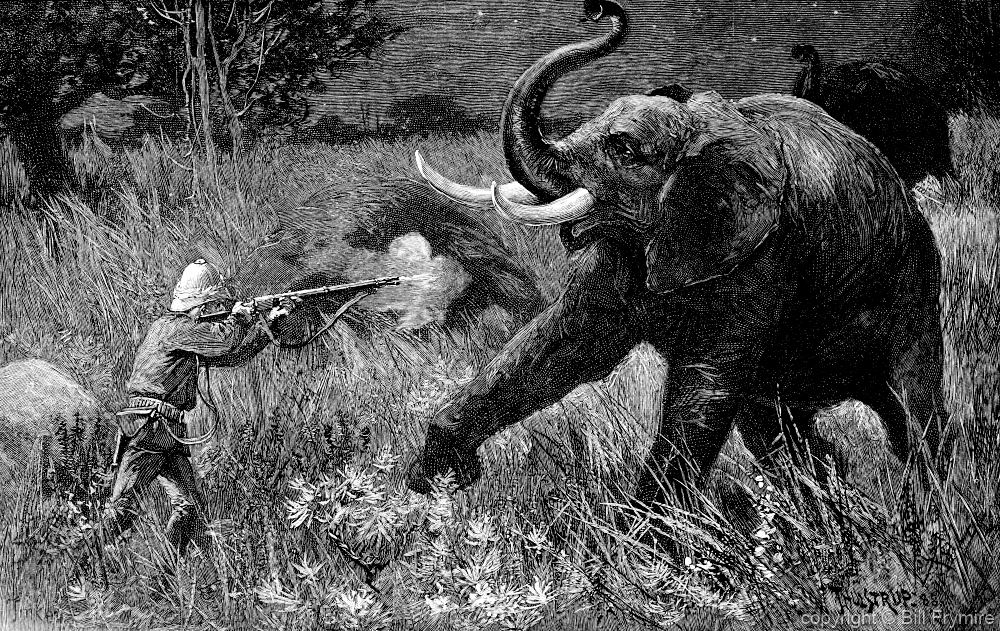
The end of the 19th century and before the appointment of a British Consul was something of a free-for-all when the various tribal groups mentioned above, white hunters, adventurers, speculators, the Yao, Swahili and Arab traders and various other opportunists were desperate to get their hands on as much ivory as possible. The price of ivory in Zanzibar doubled between 1850 and 1880 and just about doubled again by 1890 reaching a peak in around 1895. Yet Malawi still had elephants, according to one source they were still very common in a few areas and common between the Lake and the Luangwa Valley.
Some Arabs and Swahilis seemed to be “cashing out” seeing the arrival of the missionaries, the ALC and then the British as a foretaste of the future. Despite having lived by the lake for many years and often married local women some made the decision to take their ivory stocks. White witnesses describe the very villages the traders had lived in, and where they had married local women, burned, the villages enslaved and the ivory stocks loaded onto the newly enslaved villagers before heading to Zanzibar.
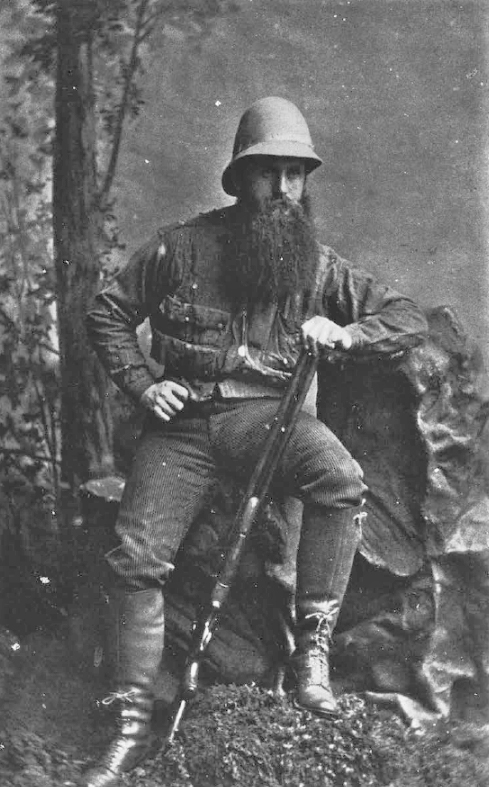
In 1885 Frederick Moir, the ALC’s agent, described a Swahili caravan leaving the Lake Nyasa area for Zanzibar.
A trader by the name of Kabunda, who had been in the area for ten years, had a large hoard of ivory which he was determined to take to Zanzibar.
His problem was transport so he picked a quarrel with Katimbwe, the local chief, stealing all his cattle and then capturing all the men, women and children.
Kabunda now had the transport he needed, the newly captured slaves, and he put together a 3,000 person strong caravan and set out for the coast. Moir describes the procession as it sets off led by armed guards, then the trader and his wives and servants. Behind these groups are the tied-up slaves intermingled with men armed with guns, spears and axes. The male slaves are chained or otherwise controlled but it is the women that attract Moir’s attention and dismay; they are heavily laden with either ivory or grain and many are also carrying their babies.
“…very many, in addition to their heavy weight of grain or ivory, carried little brown babies, dear to their hearts as a white man’s child to his. The double burden was almost too much, and still they struggled wearily on, knowing too well that when they showed signs of fatigue, not the slaver’s ivory, but the living child would be torn from them and thrown aside to die.”
By the mid-1880s the ALC was employing local people, providing them with guns and ammunition and sending them out to hunt elephants. Private hunters began to appear in the Shire Valley and to the west of the lake. White adventurers were hunting elephants themselves and buying ivory from local people and early settlers were arming hunters as well as hunting themselves.
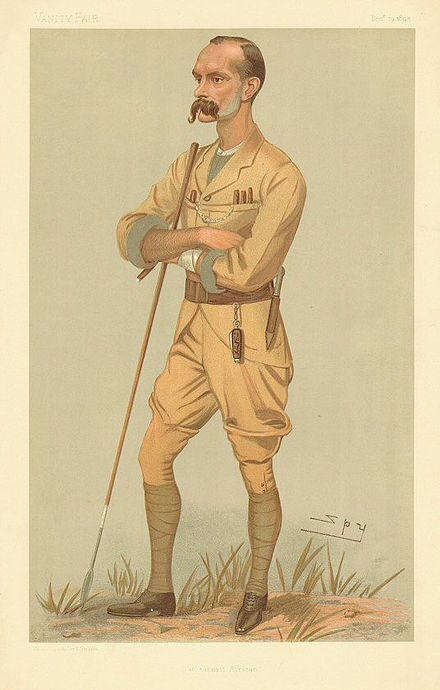
Some of these hunters went on to pursue impressive colonial careers, including Sir Alfred Sharpe who was renowned as The Great Elephant Hunter and who eventually became the Commissioner and Consul-General of British Central Africa and Governor of Nyasaland.
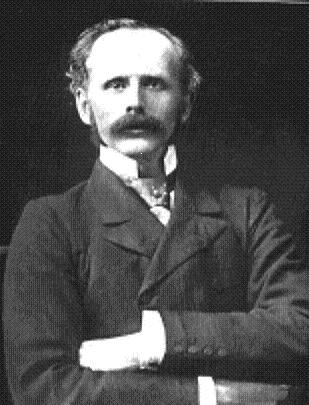
And Baron Fredrick Lugard (see right) who held many roles in the Empire including Governor of Hong Kong and then of Nigeria.
E.D. Moore describes the impact of the hunters:
“Due to the methods pursued, in a short two or three years the vast herds which once congregated about Lake Nyassa practically disappeared.”
The Karonga War
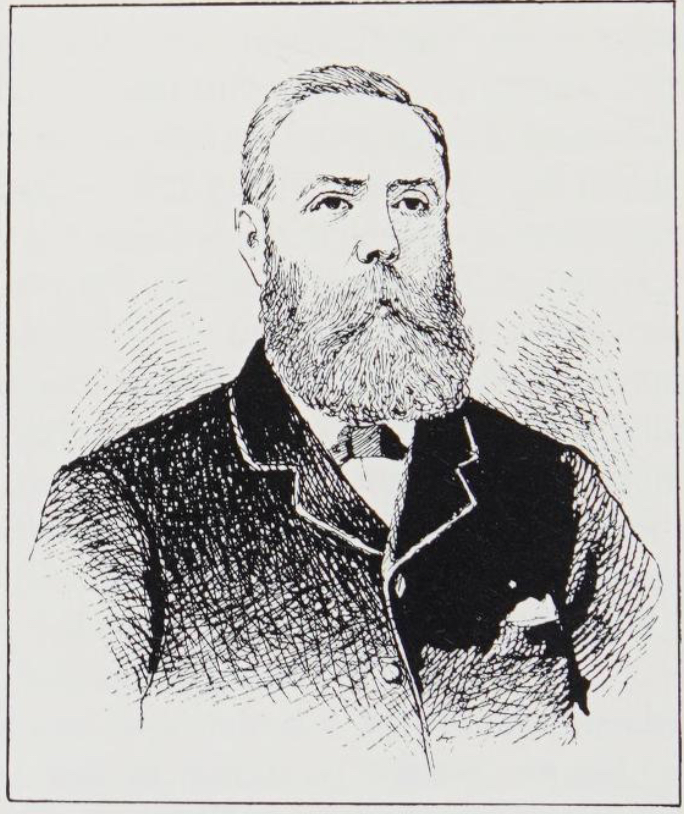
In 1884 the ALC sent Low Monteith Fotheringham, a young Scotsman in his early thirties, to manage their store and trading post at Karonga.
He traded with the Swahilis and Arabs who were bringing their ivory to the ALC post. Foremost among these traders was Mlozi who represented Swahili traders in the Luangwa valley and who had settled here in 1880.
Mlozi controlled the main caravan routes to the coast at the northern end of the Lake and was a powerful force with a mercenary army recruited from the Henga-Kamanga people and a network of trading stockades where he traded for slaves and ivory.
He began to raid Ngonde villages bringing long strings of captives back to his stockage. He oversaw a reign of terror raiding village after village, killing anyone too young or old to march, yoking together the fit and strong and holding them in his stockades until ready to send a caravan on the three to four month march to the coast carrying ivory.
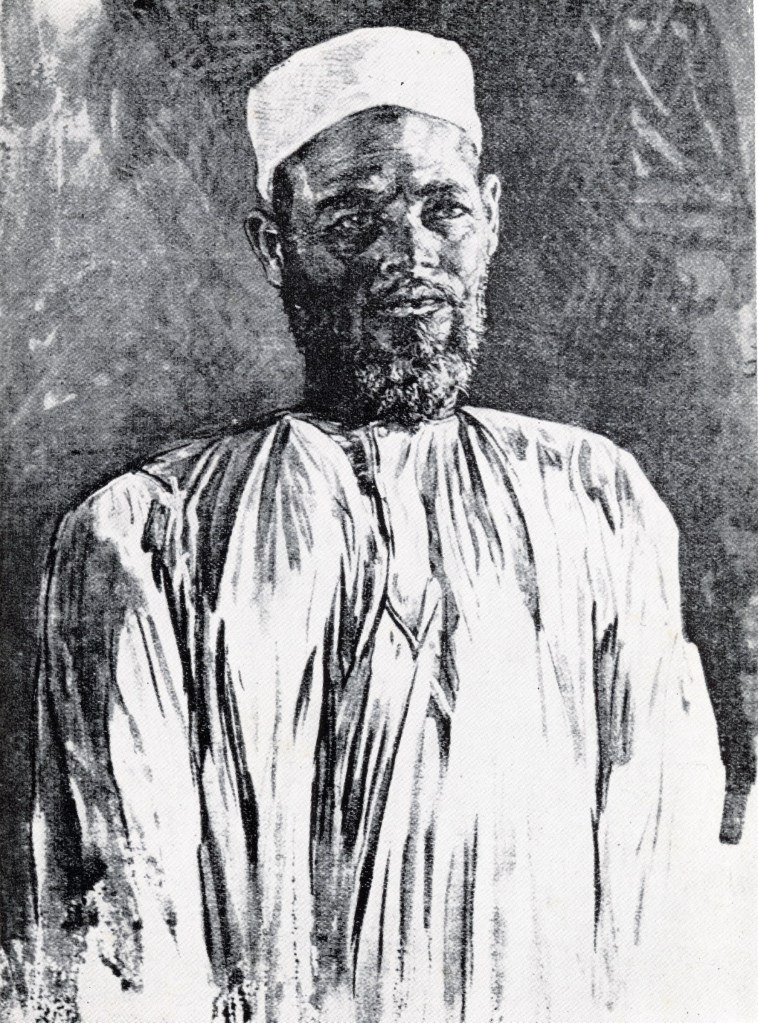
There are many theories regarding why, in 1887 Mlozi (see left) wanted to start started a war; it may have been to impose Swahili and Zanzibari rule over the whole area west of the Lake or that he saw the ALC becoming the dominant commercial force in the region and wanted that role for himself.
However, Owen Kalinga points out that there were existing and complex internal politics and historic relationships within and between the Ngonde, the Nyakyusa and the Henga-Kamanga and that the arrival of Mlozi and later the ALC disrupted the balance of power in the area. Historic feuds and disputes probably played their part.
In the end Mlozi struck first but Kalinga argues that this was more a case of getting his retaliation in first as the Ngonde and the ALC were beginning to outmanoeuvre him and gain commercial dominance. The Ngonde and the ALC would have soon set out to destroy him and his Henga-Kamanga allies.
Eventually an unpleasant and vicious little war erupted between Mlozi and the Henga-Kamanga people on the one hand and the ALC and the Ngonde people on the other.
For the next eight years the ALC and then the British administration fought an inconclusive, on and off war which didn’t conclude until Harry Johnston simultaneously attacked several of Mlozi’s stockades and his main fortified town.
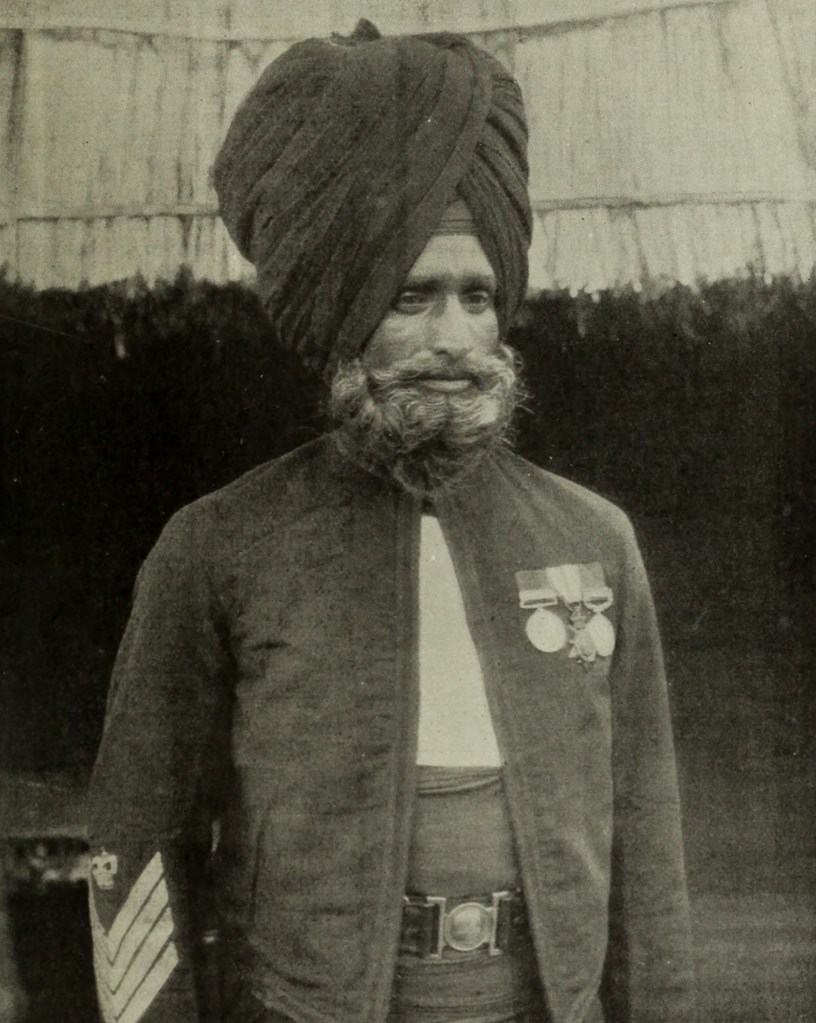
After an intense bombardment Johnson’s force of four hundred Sikh (see left) and African riflemen supported by two British and one German gunship stormed the town, killing between two and three hundred of Mlozi’s soldiers and capturing Mlozi whom they executed after a quick trial.
This rather strange little, drawn-out, war which played out without ever capturing the attention of the British public had a significant impact on the future of Malawi. It finished the decades of Swahili and Zanzibari dominance of not just the western side of the Lake but of the land between the Luangwa Valley and the Lake.
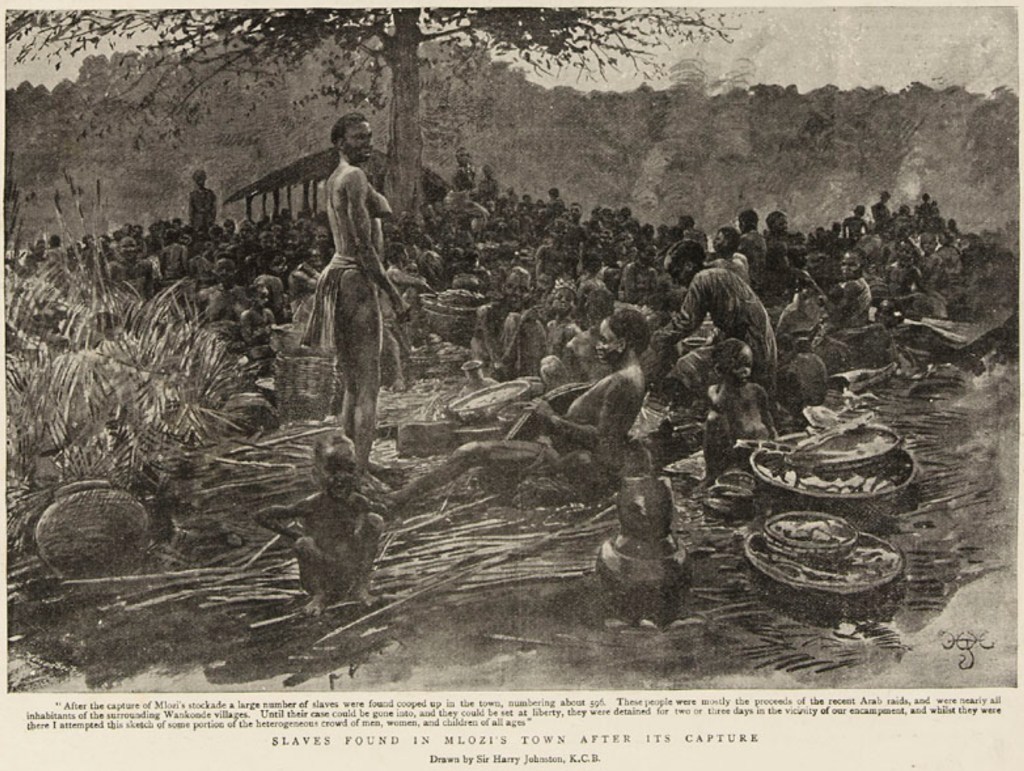
It came at the end of a series of armed conflicts across, what is now Malawi, as initially the ALC and then the British led by Harry Johnston took on and defeated the Swahili, Zanzibari and Yao slavers.
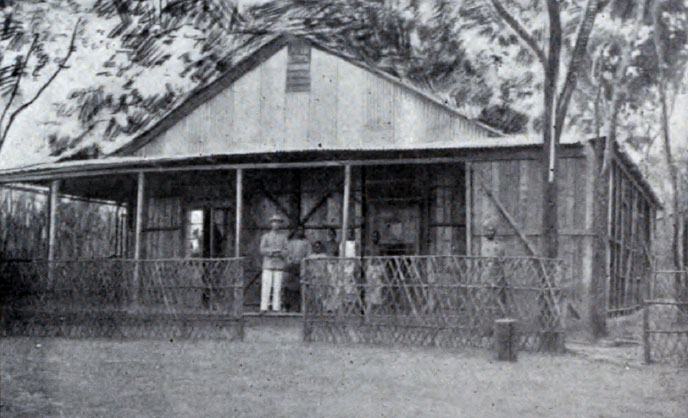
The Central African Times announced:
“The year 1895 was a notable one……. It marked the final stages of the war against slavery and the military operations of the Administration had all been brilliant successes.”
They continued by listing various campaigns and battles that in summary broke the power of the traders from the northern end of the Lake to south of Elephant Marsh and the building of forts on the caravan routes to ensure that Malawi was no longer a hub for the slave trade.
The Diminishing Ivory Trade
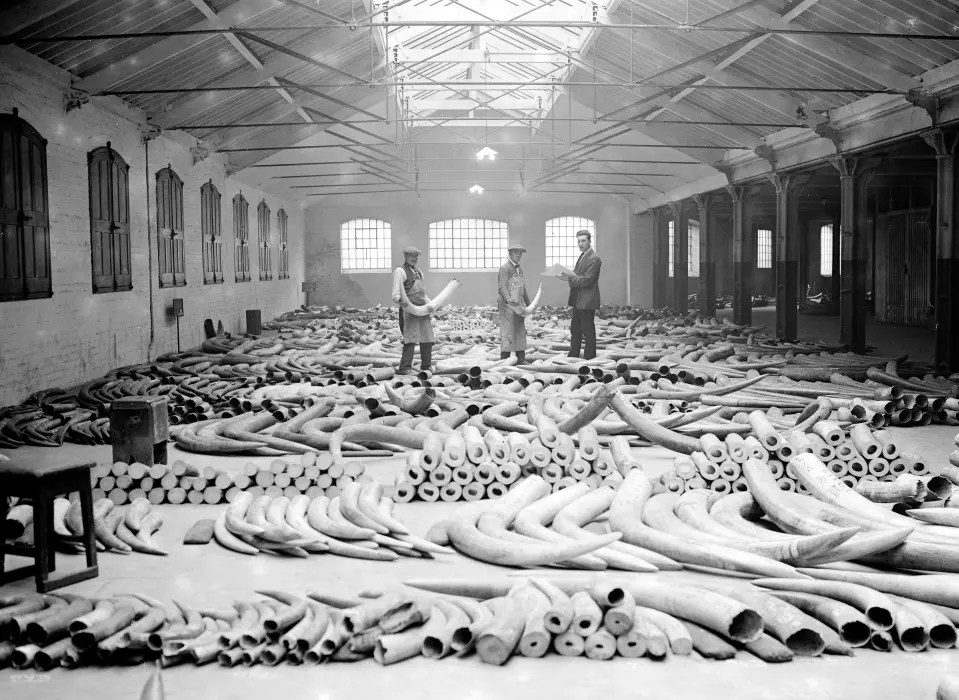
As the British Protectorate settled into becoming a more typical colony various agricultural products began to become the mainstay of its exports and ivory began to diminish in importance to Malawi; there were still elephants in Malawi and the Luangwa Valley but the great herds had gone and industrial scale elephant hunting was less viable.
In 1891 20,000 kgs of ivory, upwards of 300 tusks, represented 80% of Malawi exports.
By 1893 there were two million coffee trees in the Shire Highlands and fifty-five tons of coffee were being exported along with 20 kgs of tobacco.
By 1895 between 6,000 and 7,000 acres of coffee had been planted in the Shire Highlands. Tobacco had not yet become a major crop but fifty years later it would be Malawi’s most important export. The first experimental tea plantations had been planted and people were discussing other potential crops including nutmeg, ginger and turmeric.
By 1900 ivory represented just 6% of Malawi’s exports and it continued to fade away.
The Impact of the 18th and 19th Century’s Ivory Trade
The ivory trade devastated east and central Africa. Its impact was so great that it fundamentally altered African-wide ecosystems and generations of African people.
It is estimated that there were 26 million elephants in Africa in 1800. By 1900 there were just 10 million; a population decline of 16 million elephants or 61.5%.
©Steve Middlehurst
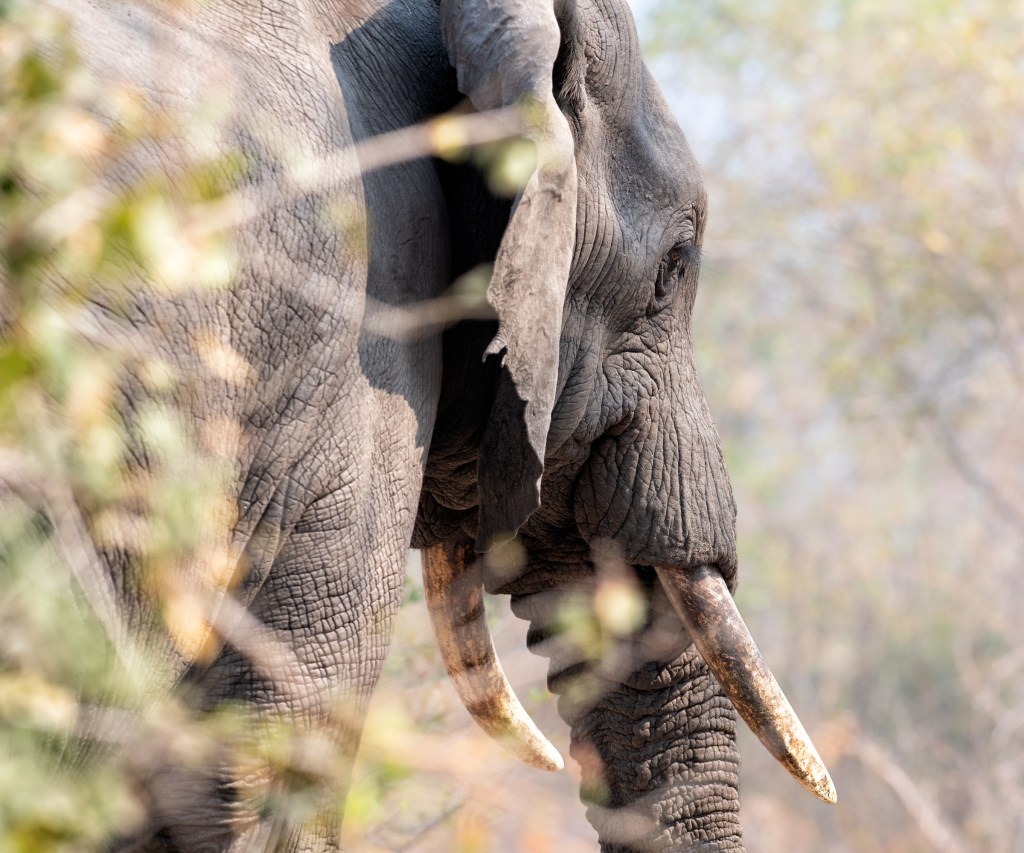
The loss of such vast numbers of elephants fundamentally changed the landscape and biodiversity of Africa; the elephant is nature’s chief ecosystem engineer, its most important keystone species that in its natural state roams everywhere other than the highest mountains and deepest deserts.
- In forested areas it creates clearings that allows the constant regeneration of the forest.
- The creation of clearings allows smaller creatures to exist and aids biodiversity by allowing a wider variety of plants to thrive in forests.
- On the savannah they pull down tress and breakup thorny bushes keeping the savannah open.
- Lizards show a marked preference for elephant damaged trees using the crevices and broken bark to find refuges.
- It pushes through dense undergrowth making paths for other animals.
- It disperses seeds, with a generous dollop of fertiliser, everywhere it goes; a high percentage of African trees are strongly adapted to dispersal by elephants.
- Its dung feeds dung beetles and many other insects and organisms that are part of the food chain.
- The dung beetles bury balls of dung below the surface increasing its soil improvement efficiency.
- In the dry season the elephant digs for water in river beds and dry pans creating waterholes for other animals.
- It has been suggested that the dramatic reduction in elephant populations may have led to the spread of woodland and scrubs at the expense of grassland and thereby increasing the occurrence of the tsetse fly which spread human, bovine and equine diseases.
The ivory trade’s impact on humans in east and central Africa was equally disastrous.
The east coast slave trade had operated for over 1,300 years but it was supercharged by the ivory trade which became its driving force in the 18th and 19th centuries. It is estimated that 9 million people were enslaved and exported from the east African coast. In the 19th century 50,000 slaves a year were passing through Zanzibar.
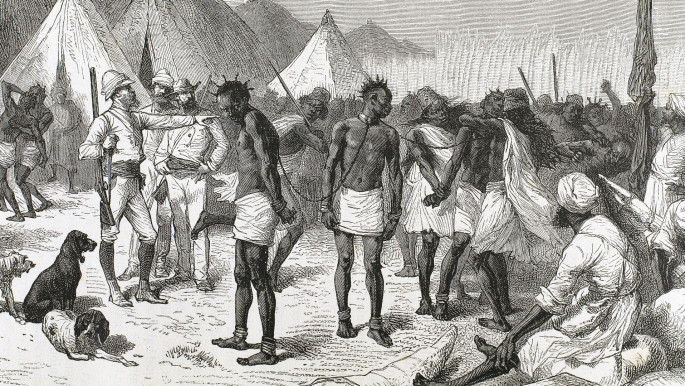
In the dark centuries when people were enslaved in the interior to carry ivory to the coast David Livingstone estimated that five Africans died for every tusk that reached the coast. Other estimates argue that 20% of all slave-porters died before reaching Zanzibar. And, beyond that, thousands of elderly people and young children, who were of no value as porters, were murdered or left to starve by the slavers.
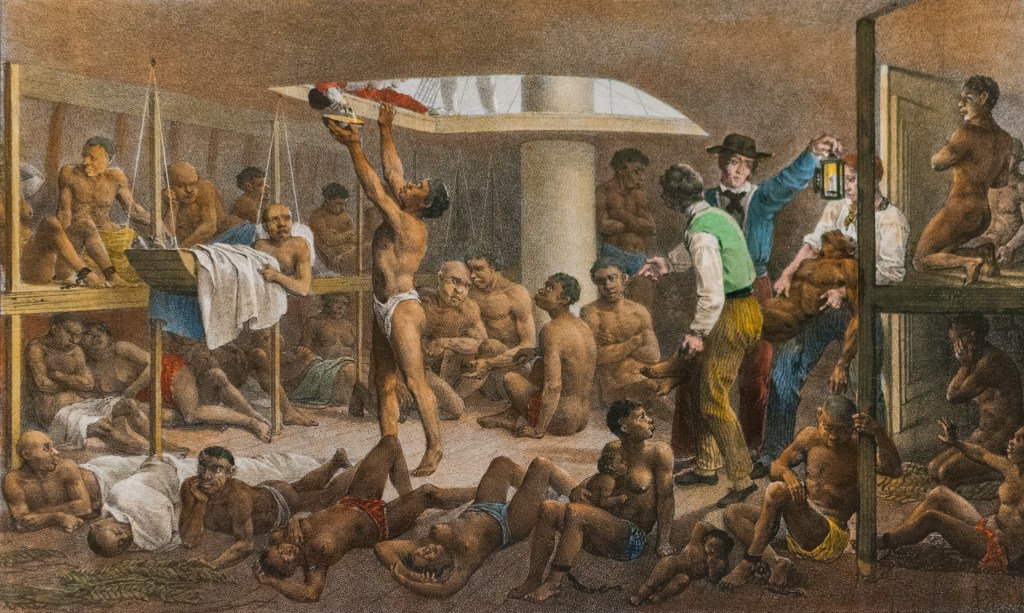
Painted by an Eye-witness Johann Moritz-Rugendas
The Arab, Swahili and Yao slavers are the leading characters in the story as it effected Malawi but it should be remembered that in the 19th century alone Portugal shipped 2.2 million slaves to her plantations in Brazil, many of these came from the east African coast from modern day Mozambique and the Zambezi Valley.
It is impossible to estimate how many people from the Congo Basin, Tanganyika, Kenya, Uganda, Rwanda, Burundi, Zambia, Mozambique and Malawi died or were enslaved in the pursuit of ivory to make trinkets, billiard balls and umbrella handles; probably tens of millions.
Ivory was indeed the scourge of Africa.
******
There is a comment box at the bottom of this post after Footnotes and Other Sources. Please let me know if you have any thoughts on this subject and whether you found this post useful.
Footnotes
Notes, References and Further Reading
- Chryselephantine statues were made in Greece from the 6th century BC but had previously been known in Egypt, Crete and Mesopotamia; it was a type of sculpture where the flesh was made of ivory and the clothes of gold.
- Zeinab Badawi (2024) An African History of Africa. London: Penguin Random House
- John McCracken (2012) A History of Malawi 1859-1966. Woodbridge: Boydell & Brewer
- Ryan Francis Murphy (2013) Exterminating the Elephant in “Heart of Darkness” https://www.jstor.org/stable/24614055?read-now=1&seq=1#page_scan_tab_contents
- Brian Morris (2006) The Ivory Trade and Chiefdoms in Pre-Colonial Malawi https://www.jstor.org/stable/29779210?read-now=1&seq=1#page_scan_tab_contents
- E.D.Moore (1931) Ivory Scourge of Africa https://archive.org/details/in.ernet.dli.2015.77345/page/n5/mode/2up
- African Parks (2022) Elephant Conservation in the Context of High Human-Wildlife Conflict https://www.africanparks.org/elephant-conservation-context-high-human-wildlife-conflict
- Rodney C. Wood (1958) Elephant Island on Lake Nyasa https://www.jstor.org/stable/29545810?read-now=1&seq=1#page_scan_tab_contents
- C.O. Dudley (1979) The History of the Decline of the Larger Mammals of the Lake Chilwa Basin https://www.jstor.org/stable/29778421?read-now=1#page_scan_tab_contents
- John M. Mackenzie (1988) The Empire of Nature. Manchester: Manchester University Press
- Hew Stevenson (2010) Diary of William Stevenson, Elephant Hunter https://www.jstor.org/stable/29783618?read-now=1#page_scan_tab_contents
- James Stevenson (1888) The Arabs in Central Africa and at Lake Nyassa https://archive.org/details/arabsincentralaf00stev/page/n7/mode/2up
- Bridglal Pachia (1973) Malawi: The History of the Nation https://archive.org/details/malawihistoryofn0000pach
- Mwaona Nyirongo (2015) Tumbuka Nkhamanga Kingdom https://mscehistorynotes.wordpress.com/2015/09/06/tumbuka-nkhamanga-kingdom/
- University of Oxford (2021) African elephants only occupy a fraction of their potential range https://www.ox.ac.uk/news/2021-03-31-african-elephants-only-occupy-fraction-their-potential-range
- Johannes Gutenberg University (2023) Neanderthals hunted elephants: Earliest evidence found of humans killing elephants for food https://press.uni-mainz.de/neanderthals-hunted-elephants-earliest-evidence-found-of-humans-killing-elephants-for-food/
- Lionel Casson (1993) Ptolemy II and the Hunting of African Elephants https://www.jstor.org/stable/284331?read-now=1&seq=1#page_scan_tab_contents
- Aviad Agam & Ran Barkai (2018) Elephant and Mammoth Hunting during the Paleolithic: A Review of the Relevant Archaeological, Ethnographic and Ethno-Historical Records https://www.mdpi.com/2571-550X/1/1/3
- Carl W. Bishop (1921) The Elephant and Its Ivory in Ancient China https://www.jstor.org/stable/284331?read-now=1&seq=1#page_scan_tab_contents
- Bradscribe (2014) The Port of Barygaza https://sakastana.wordpress.com/2014/06/17/port-of-barygaza/
- Mathew Adam Cobb (2021) World-Systems Theory, Globalization or Glocalization – analysing the dynamics of the ancient Indian Ocean ivory trade? https://f-origin.hypotheses.org/wp-content/blogs.dir/211/files/2021/04/resume-mc.pdf
- Felix Chami and others (2002) East Africa and the Middle East relationship from the first millennium BC to about 1500 AD https://www.persee.fr/doc/jafr_0399-0346_2002_num_72_2_1304
- Thomas Vernet Slave Trade and Slavery on the Swahili Coast 1500 – 1750 https://shs.hal.science/halshs-00671040/file/Slave_trade_and_slavery_on_the_Swahili_coast-T._Vernet_.pdf
- Don Pinnock (2022) The myth of too many elephants in Kruger Park, and why culling is redundant https://www.africanelephantjournal.com/the-myth-of-too-many-elephants-in-kruger-park-and-why-culling-is-redundant/
- EPI Secretariat (2023) Malawi’s Elephants: 5 Decades on https://www.elephantprotectioninitiative.org/post/malawi-s-elephants-5-decades-on
- Rosie Mills (2023) A Brief History on Majete Wildlife Reserve https://www.africanparks.org/brief-history-majete-wildlife-reserve#:~:text=The%20recovery%20has%20been%20so,only%20part%20of%20the%20story.
- African Parks Network () Fauna & Flora https://www.africanparks.org/the-parks/majete/fauna-flora
- Graig Reid (2017) Liwonde National Park Annual Report https://www.africanparks.org/sites/default/files/uploads/resources/2018-07/Annual%20Report%202017%20-%20Liwonde.pdf
- University of Oxford (2021) African elephants only occupy a fraction of their potential range https://www.ox.ac.uk/news/2021-03-31-african-elephants-only-occupy-fraction-their-potential-range
- ADF (2023) The Kingdom of Maravi https://adf-magazine.com/2023/07/the-kingdom-of-maravi/#:~:text=The%20religious%20capital%20of%20the,and%20later%2C%20to%20Portuguese%20merchants.
- W.H.J. Rangeley (1963) The Arabs https://www.jstor.org/stable/29545948?read-now=1#page_scan_tab_contents
- Shadreck Billy Chirembo (1993) Colonialism and the Remaking of the Chikulamayembe Dynasty 1904 to 1953 https://www.jstor.org/stable/29778687?read-now=1#page_scan_tab_contents
- Kings M. Phiri (1984) Yao Intrusion Into Southern Malawi, Nyanja Resistance and Colonial Conquest 1830 – 1900 https://www.jstor.org/stable/24328494?read-now=1&seq=1#page_scan_tab_contents
- Donald L. Malcarne and Brenda Milkofsky (2022) Ivory Cutting: The Rise and Decline of a Connecticut Industry https://connecticuthistory.org/ivory-cutting-the-rise-and-decline-of-a-connecticut-industry/
- Judith Schaefer (2013) David Livingstone and the Other Slave Trade Part III. The Slaver and the Abolitionist david-livingstone-the other-slave-trade
- Cherry Kearton and James Barnes (1915) Through Central Africa from East to West https://archive.org/details/throughcentralaf00kear/mode/2up?q=nyassaland
- Alice Werner (1906) The Natives of British Central Africa https://www.gutenberg.org/cache/epub/71018/pg71018-images.html
- Matthew Schoffeleers (1980) Trade, Warfare and Social Inequality: The Case of the Lower Shire Valley of Malaŵi, 1590-1622 A.D. https://www.jstor.org/stable/29778441
- C. A. Baker (1970) Henry Drummond’s Visit to Central Africa 1883 – 1884 https://www.jstor.org/stable/29778222?read-now=1#page_scan_tab_contents
- Chhaya R. Goswani (2007) The Ivory Trade at Zanzibar and the Role of Kutchis https://www.jstor.org/stable/44148011?read-now=1&seq=1#page_scan_tab_contents
- Christopher Joyce (2014) Elephant Slaughter, African Slavery And America’s Pianos https://www.npr.org/2014/08/18/338989248/elephant-slaughter-african-slavery-and-americas-pianos
- E.D Young (1868) The Search After Livingstone, (A diary kept during the investigation of his reported murder). London: Letts Son, and co. The-Search-After-Livingstone
- R.W Beachey (1967) The East African Ivory Trade in the Nineteenth Century. Great Britain: The Journal of African History, VIII pp.269-290
- David Livingstone (1865) A Popular Account of Dr. Livingstone’s Expedition to the Zambesi and its Tributies: and the Discovery of Lakes Shirva and Nyassa 1858 – 1864. Accessed at Project Guttenberg’s 2001 edition. https://www.gutenberg.org/files/2519/2519-h/2519-h.htm
- David Livingstone (1857) Missionary Travels and Researches in South Africa. the Project Gutenberg eBook version 2006.
- F.M. Withers (1962) A sailor who did his Duty Bealted Tribute to a Real Pioneer https://www.jstor.org/stable/29545632?read-now=1#page_scan_tab_contents
- Denis D Lyell (1924) the African Elephant and its Hunters. London: Heath Cranton Limited https://archive.org/details/in.ernet.dli.2015.215055/page/n7/mode/2up
- J.E.R. Emtage (1955) The First Mission Settlement in Nyasaland https://www.jstor.org/stable/29545733?read-now=1#page_scan_tab_contents
- N. Thomas Hakansson (2004) The Human Ecology of World Systems in East Africa: The Impact of the Ivory Trade https://www.researchgate.net/publication/225311146_The_Human_Ecology_of_World_Systems_in_East_Africa_The_Impact_of_the_Ivory_Trade/download
- C.A. Baker (1970) Henry Drummond’s Visit to Central Africa 1883-4. https://www.jstor.org/stable/29778222?seq=1
- Henry Drummond (1889) Tropical Africa. London: Hodder and Stoughton https://www.google.co.uk/books/edition/Tropical_Africa/hBc9xAEACAAJ?hl=en&gbpv=1
- Linus Hiscox (2020) The ecological role of elephants: shaping the land and lending a hand https://davidshepherd.org/news-events-insights/news/the-ecological-role-of-elephants-shaping-the-land-and-lending-a-hand/
- J.E.R. Emtage (1955) The First Mission Settlement in Nyasaland https://www.jstor.org/stable/29545733?seq=1
- Owen J.M. Kalinga (1980) The Karonga War: Commercial Rivalry and Politics of Survival https://www.jstor.org/stable/182135?read-now=1&seq=1#page_scan_tab_contents

 Travelogues and Other Memories
Leave a reply to Historical Perspectives on Slavery Part 4 Pre-Roman Europe – Travelogues and Other Memories Cancel reply